
Wilderness First Aid Kit Essentials: The 2026 Backcountry Reality Check
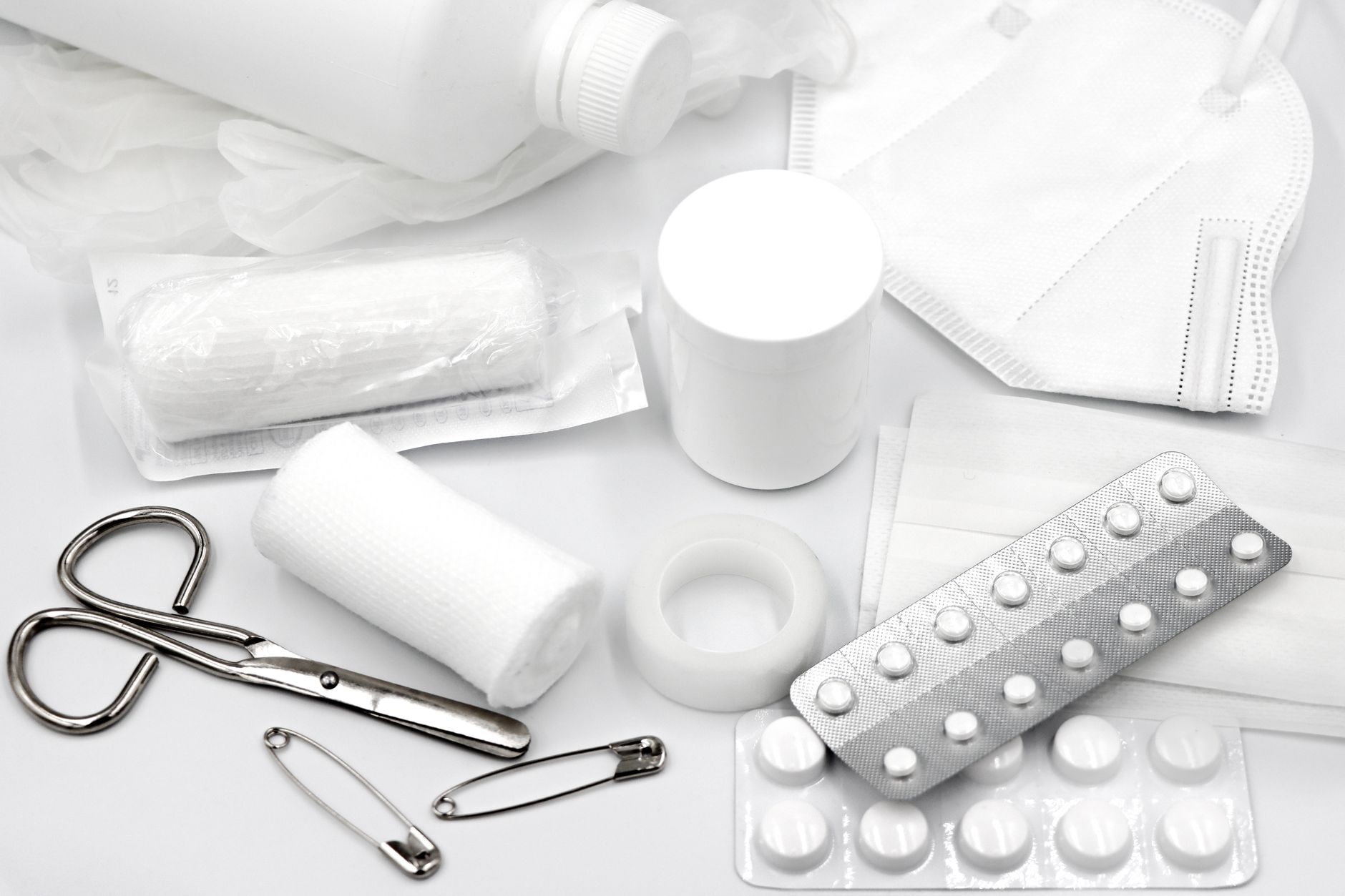
The 2026 backcountry season has kicked off with a sobering trend: search and rescue teams across the Pacific Northwest and Colorado are reporting a 23% spike in calls for “preventable medical emergencies”—hypothermia cases in July, infected wounds from untreated blisters, and anaphylaxis in hikers who “didn’t think they were allergic.” Meanwhile, REI’s latest gear report shows sales of pre-packaged first aid kits are down 15%, suggesting more adventurers are either going without or building custom kits without knowing what’s actually critical.
Here’s the truth: wilderness first aid kit essentials aren’t about packing your fears. They’re about carrying what solves the problems you’re statistically likely to face, in an environment where professional help is 2–48 hours away. This guide cuts through the outdated Red Cross checklists and Instagram “tactical” setups to show you what belongs in your kit—and what’s dead weight.
What SAR Data Actually Shows: The Real Threats
Colorado’s Alpine Rescue Team and Washington’s Everett Mountain Rescue publish annual incident breakdowns, and the patterns are remarkably consistent. The top backcountry medical issues requiring evacuation aren’t dramatic trauma—they’re the boring, preventable ones:
- Soft tissue injuries (sprains, cuts, blisters): 34% of incidents
- Gastrointestinal illness (water contamination, poor hygiene): 18%
- Environmental exposure (hypothermia, heat exhaustion): 22%
- Allergic reactions (food, insect, plant): 12%
- Actual fractures/serious trauma: 14%
This data should shape your kit. Yet most pre-packaged “wilderness” kits overweight for trauma and underweight for the slow-motion emergencies that actually end trips.
The Non-Negotiable Core: What Every Kit Needs
These wilderness first aid kit essentials form your baseline, whether you’re out for a dayhike or a two-week traverse.
Wound Management (the 34% problem)
- Irrigation syringe (35cc): Not a squeeze bottle—a real syringe. Flushing debris requires pressure. A 2019 Wilderness & Environmental Medicine study showed syringe irrigation reduced infection rates by 60% versus passive washing.
- Steri-Strips plus benzoin tincture: For closures when you’re too far out for stitches. Super Glue has its place, but strips handle tension across joints better.
- Hydrocolloid blister dressings: Leukotape for prevention, hydrocolloid for treatment. Carry 4–6 in varied sizes. The 2026 “blister revolution” is finally mainstream, but too many hikers still rely on moleskin that shifts and bunches.
Temperature Regulation (the 22% problem)
- Chemical hand warmers (2+): Not just comfort. Hypothermia progresses faster when extremities vasoconstrict. In 2026’s unusually wet western summer, hypothermia cases at 50°F are spiking.
- Emergency bivy (not blanket): SOL Escape models weigh 8.5 oz and actually reflect heat. Foil blankets fail in wind and rain.
GI and Hydration (the 18% problem)
- Oral rehydration salts (3 packets): Pedialyte powder or WHO formula. Dehydration plus electrolyte imbalance is the dayhiker’s most underestimated risk.
- Loperamide + prescription azithromycin (if applicable): Water filters fail, hygiene lapses happen. Discuss travel antibiotics with your physician.
Anaphylaxis (the 12% problem, 100% fatal if untreated)
- Epinephrine auto-injector: Even if you have no known allergies. Adult onset allergies are rising 5% annually, and backcountry exposure to novel plants/insects is unpredictable. The 2026 Auvi-Q recall made EpiPens the reliable choice again.
The 2026 Updates: What’s Changed
Three developments have shifted what experienced wilderness medics carry:
1. Tourniquets Are Standard Now Combat Application Tourniquets (CATs) have crossed over from tactical to wilderness. Not for snake bites (still a myth)—for uncontrolled bleeding from axes, falls, or vehicle accidents at trailheads. The 2026 North American Rescue civilian model weighs 3.5 oz and applies one-handed. Add it.
2. Naloxone Is Becoming Normal With fentanyl contamination found in recreational drug supplies at 2026 music festivals near trail systems, and accidental exposure risks for responders, some wilderness leaders now carry Narcan nasal spray. It’s 4 inches, 1.6 oz, and legally obtainable in all 50 states.
3. Satellite Communicators Reduce Kit Needs—Partially InReach and Zoleo devices mean you can often summon help faster. But 2026’s solar flare activity has caused GPS degradation in high-latitude areas, and batteries die. Your kit must still handle 24–72 hours independently.
What to Ditch: The Dead Weight Audit
Most “comprehensive” kits are bloated with items that waste space and create false confidence:
- Instant cold packs: One-use, heavy, and ineffective for real sprains. Use a soaked bandana in a stream.
- Suture kits: Unless you’re trained, you’re causing harm. Wound closure strips and proper irrigation outperform amateur stitching.
- SAM splints: Useful, but a folded sleeping pad, trekking poles, and tape handle 90% of immobilization needs.
- Dehydrated “medicinal” teas: Weight without evidence. Carry real electrolytes.
Building Your System: Weight vs. Capability
Your kit’s target weight depends on trip parameters, not duration alone:
| Trip Type | Target Weight | Key Additions |
|---|---|---|
| Dayhike, popular trail | 8–12 oz | Minimal: blister care, epinephrine, bivy, communication |
| Multi-day, maintained trail | 14–18 oz | Add antibiotics, expanded wound care, trauma items |
| Remote/off-trail, any duration | 18–24 oz | Full trauma kit, extended temperature regulation, group-sized supplies |
The critical habit: open and repack your kit before every trip. Check expiration dates (especially epinephrine and antibiotics), replace used items immediately, and customize for group needs (allergies, medications, children).
Conclusion: The Kit Is a System, Not a Shopping List
Wilderness first aid kit essentials in 2026 are less about owning the “right” gear and more about understanding the problems your environment creates. The backcountry doesn’t care about your TikTok setup or your brand loyalty. It cares whether you can stop bleeding, prevent infection, maintain core temperature, and buy time until evacuation.
Build your kit around SAR data, not marketing. Train with your gear—practice one-handed tourniquet application in the rain, learn to irrigate a wound with limited water, know your epinephrine expiration date without looking. The best first aid kit is the one you know how to use, carried consistently, and ruthlessly pruned of fantasy.
Your next step: empty your current kit onto a table tonight. Apply the dead weight audit above. Replace two items with something from the non-negotiable core. That’s more preparation than most weekend warriors manage in a year.