
Wilderness First Aid Kit Essentials Checklist: What SAR Teams Changed After 2026's Record Rescue Season
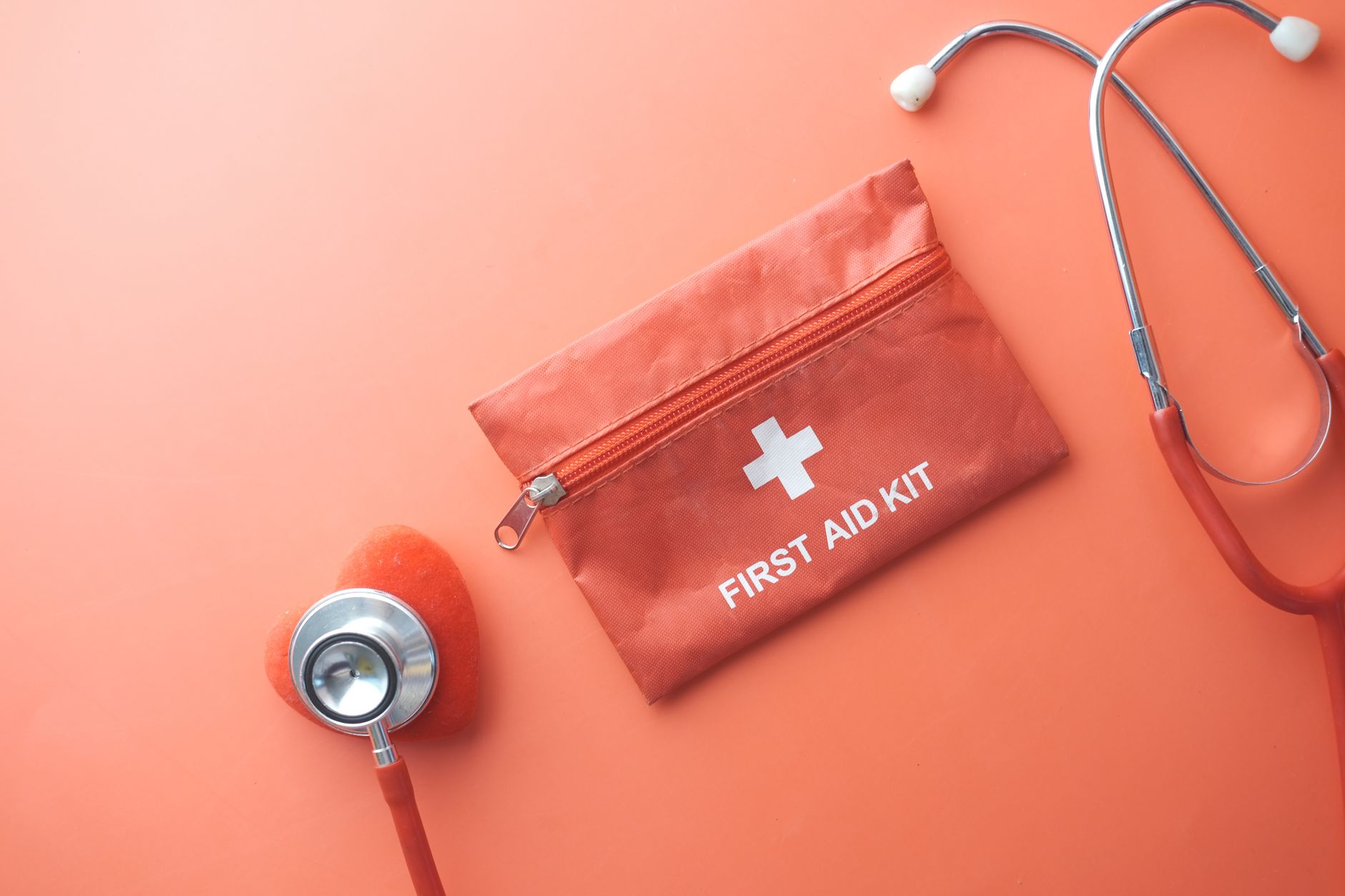
The 2026 backcountry season has reshaped how we think about wilderness medical preparedness. With search and rescue (SAR) operations up 34% nationwide through July—driven by extreme heat events, flash flooding in previously “stable” drainages, and a surge in first-time backcountry users—experts are rewriting the rules. The Wilderness Medical Society released updated guidelines in June, and major SAR teams from the White Mountains to the Sierra Nevada have publicly adjusted their recommended kit contents.
This isn’t your grandfather’s first aid list. Here’s the wilderness first aid kit essentials checklist that actually matches what professionals are carrying in 2026.
The 2026 Kit Philosophy: Treat, Stabilize, and Evacuate Smarter
Old thinking: pack for every possible scenario. New thinking: pack for the most likely emergencies, with multi-use items that buy you time until evacuation or definitive care.
Dr. Elaine Voss, wilderness medicine physician and advisor to Yosemite’s SAR team, puts it directly: “We’re seeing too many kits with 40 items nobody knows how to use, and missing the 8 that actually save lives in the first 60 minutes.”
The shift reflects hard data. The most common wilderness medical emergencies in 2026 remain consistent—wounds/bleeding, sprains/fractures, hypothermia, heat illness, and anaphylaxis—but environmental factors have intensified. Heat-related SAR calls have doubled in the Southwest since 2023. Flash hypothermia cases are appearing in summer at elevations above 10,000 feet due to sudden hail and rain events.
Your kit needs to handle these realities without weighing you down.
Core Components: What Makes the Cut
Wound Management (The Non-Negotiables)
- Tourniquet: CAT Gen 7 or SAM XT. 2026’s data confirms tourniquets as the single most life-saving item for serious bleeding. Practice applying it one-handed before you need to.
- Hemostatic gauze: QuikClot or Celox, 2-3 packs. Not “nice to have”—essential for arterial bleeding where pressure alone won’t suffice.
- Pressure bandages: Israeli-style 4” and 6” elastic wraps. The Olaes bandage integrates gauze and pressure bar in one unit.
- Closure strips: Steri-Strips or the newer 3M ZipStitch closures, which handle larger wounds than traditional butterfly closures.
- Irrigation syringe: 35cc with 18-gauge tip. The 2026 WMS guidelines emphasize high-pressure irrigation (500mL minimum) over antiseptic wipes for dirty wounds.
Fracture and Sprain Stabilization
- SAM Splint or equivalent: The 36” universal moldable splint. Cut it, fold it, shape it for any limb.
- Elastic wrap: 3” and 4” Coban or similar, 2 rolls minimum.
- Triangular bandages: 2-3 for slings, swathes, and improvised cravats.
- Instant cold packs: Chemical activation, 2 small units. New 2026 formulations last 30 minutes versus 10-15 in older versions.
Temperature Extremities
- Emergency bivvy/space blanket: Not the paper-thin mylar from 1980s survival kits. The SOL Escape Bivvy or similar breathable, reusable models. SAR teams are finding these prevent hypothermia far more effectively than standard space blankets.
- Chemical heat packs: 4-6 for extremities. New adhesive-backed versions stay in place during movement.
- Electrolyte powder: 4-6 servings. 2026’s heat events demand oral rehydration capability beyond plain water.
Medications and Critical Extras
- Epinephrine auto-injector: 2 minimum if you have any allergy history. The Auvi-Q’s compact size and voice instructions make it backcountry-friendly.
- Diphenhydramine (Benadryl): 25mg tablets, 10-12. For allergic reactions as adjunct to epinephrine.
- Ibuprofen: 200mg, 20+ tablets. The workhorse for pain, inflammation, and altitude-related symptoms.
- Acetaminophen: 500mg, 10-12. For pain when NSAIDs are contraindicated, and fever management.
- Loperamide: For debilitating diarrhea that threatens hydration.
- Doxycycline: Discuss with your physician. 2026 has seen increased tick-borne illness in expanded ranges, and a single 200mg dose post-tick bite can prevent Lyme disease if taken within 72 hours.
- Naloxone nasal spray: 2 doses. The 2026 WMS addition, reflecting opioid exposure risks even in remote areas.
Tools and Documentation
- Trauma shears: 7.5” with black oxide coating. Cut clothing, not fingers.
- Tweezers: Fine-point for ticks, splinters.
- Tick removal tool: The Tick Twister or similar, following 2026 CDC updates on proper extraction technique.
- Waterproof notepad and pencil: Document vitals, medications given, timeline. Critical for handoff to rescuers.
- Laminated emergency card: Your medical conditions, allergies, medications, emergency contacts.
What SAR Teams Removed in 2026
The “subtraction” matters as much as additions. Items increasingly left behind by experienced teams:
- Butterfly closures: Replaced by ZipStitch and Steri-Strips for better holding strength.
- Mercury thermometers: Fragile, slow. Forehead strip thermometers are faster and more durable.
- Large quantities of antibiotic ointment: Single-use packets only; over-application traps bacteria in dirty wounds.
- Suture kits: Unless you’re trained and practiced, they cause more harm than good. Closure strips and proper irrigation handle 95% of backcountry wounds.
Container and Weight: The Reality Check
Your complete kit should fit in a 1.5-2 liter dry bag or dedicated pouch, weighing 1.5-2.5 pounds depending on medications and duplicates.
The 2026 trend toward “modular” kits makes sense: a core kit in your pack always, plus mission-specific add-ons (extra heat packs for cold weather, additional electrolytes for desert travel). Don’t let perfect be the enemy of prepared—an incomplete kit you carry beats a comprehensive kit left at home.
Waterproofing has evolved. Sturdy zip-lock bags work, but vacuum-sealed pouches (FoodSaver-style) are increasingly popular for critical items like gauze and medications. They compress bulk and guarantee dryness.
Training: The Item That Doesn’t Fit in a Bag
Here’s what no checklist captures adequately. The 2026 WMS guidelines require, not recommend, a current Wilderness First Aid (WFA) or Wilderness First Responder (WFR) certification for anyone leading trips beyond one hour from definitive care.
WFA courses have updated their curriculum this year to include tourniquet application, hemostatic gauze use, and extended evacuation scenarios given strained SAR resources in popular areas. Some regions now report 4-6 hour response times for “urgent” calls that would have been 90 minutes in 2019.
The best-equipped kit with untrained hands is dangerous. The minimally-equipped kit with trained hands is remarkably effective.
Wilderness First Aid Kit Essentials Checklist: Your Action Step
Print this. Laminate it. Tape it inside your kit lid.
Immediate Life Threats: Tourniquet, hemostatic gauze, pressure bandage, epinephrine, naloxone, emergency bivvy
Wound Care: Irrigation syringe, closure strips, elastic wrap, triangular bandages, trauma shears
Musculoskeletal: SAM splint, cold packs, elastic wraps
Environmental: Emergency bivvy, heat packs, electrolyte powder
Medications: Ibuprofen, acetaminophen, diphenhydramine, loperamide, doxycycline (prescription)
Tools/Documentation: Tweezers, tick tool, notepad, emergency card
Training: Current WFA or WFR certification
The 2026 season has proven that wilderness emergencies are becoming more common, more severe, and more complicated by environmental extremes. Your wilderness first aid kit essentials checklist needs to reflect these realities—not the theoretical backcountry of a decade ago.
Build it this weekend. Practice with it next weekend. Hope you never need it, but be ready if you do.