The Stargazer's Edge: Backcountry Astronomy Dark Sky Camping Locations for 2026's Celestial Events
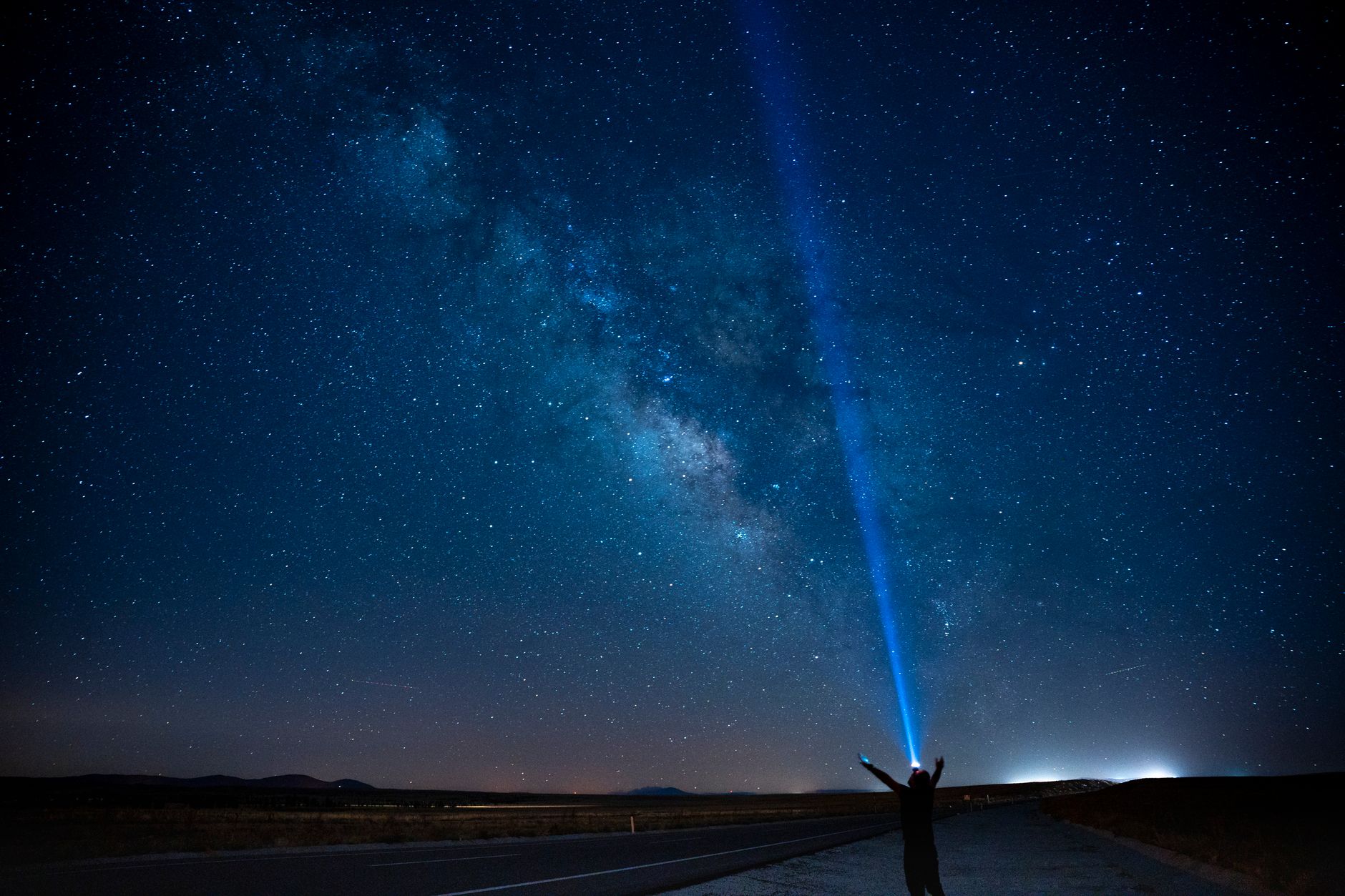
The adventure travel industry is pivoting hard toward “transformational experiences” in 2026, and nowhere is that shift more visible than in the surge of night-sky tourism. The Adventure Travel Trade Association’s latest trend report identifies immersive nature connection as a top priority for brands this year, with travelers increasingly seeking destinations that disconnect them from digital noise and reconnect them with elemental rhythms. Backcountry astronomy dark sky camping locations sit at the perfect intersection of this movement—offering raw wilderness, scientific wonder, and the kind of perspective shift that no luxury resort can manufacture.
If you’re planning to catch the August 12 Perseid meteor shower at its peak, witness the April 8 total solar eclipse’s western path, or simply escape the creeping light pollution that now affects 80% of North Americans, you need more than a generic “dark park” list. You need backcountry astronomy dark sky camping locations with specific terrain advantages, seasonal accessibility windows, and the kind of logistical details that separate dreamy Pinterest boards from actual nights spent under the Milky Way.
Why Backcountry Beats Designated Dark Sky Parks for Serious Stargazers
Here’s the uncomfortable truth: many International Dark Sky Places have become victims of their own success. Flagstaff, Arizona— the world’s first Dark Sky City—now sees shoulder-to-shoulder tripods during major events. Joshua Tree’s campgrounds require reservations six months out through Recreation.gov, and the remaining walk-in sites have become competitive endurance sports.
The real magic happens in the buffer zones—the backcountry astronomy dark sky camping locations within 15-30 miles of designated parks but far enough from paved roads to eliminate headlight pollution entirely. These spots offer what astronomers call “natural sky” conditions (21.5+ magnitude per square arcsecond) without the infrastructure that draws crowds.
My favorite example: the Paria Canyon-Vermilion Cliffs Wilderness in Utah/Arizona. While everyone clusters at the North Rim’s developed campgrounds for summer Milky Way viewing, experienced backcountry campers hike 8 miles into the Paria River drainage. The 3,000-foot canyon walls don’t just block light—they create thermal stability that minimizes atmospheric turbulence, delivering sharper telescope views than any mountaintop observatory on gusty nights.
Five Backcountry Astronomy Dark Sky Camping Locations With 2026-Specific Advantages
1. Great Basin’s South Snake Range (Nevada)
Wheeler Peak Scenic Drive gets the attention, but the South Snake backcountry below Lincoln Peak offers 9,200-foot elevation with zero artificial light within 40 miles. The 2026 Perseids peak on a moonless Tuesday night—perfect for a Monday-Wednesday backcountry permit.
Specific beta: Camp at the unmarked saddle between Marble and Johnson Lakes (GPS: 38.916, -114.312). The eastern horizon drops sharply, giving you 3+ hours of fully dark sky before astronomical twilight begins. Pack a bear canister; the Great Basin’s black bears have learned that backpackers mean calories.
2. Lost Creek Wilderness, Colorado
Most Colorado stargazers default to the Sand Dunes or Black Canyon. Lost Creek’s Bison Peak high country—specifically the zone above 11,000 feet near the Ute Creek trail—delivers 22.1 magnitude darkness with a critical advantage for 2026: the area’s granite domes create natural windbreaks that stabilize your telescope or camera rig.
The August Perseids here coincide with Colorado’s monsoon tail. Check the National Weather Service’s Point Forecast (not the generic zone forecast) for Bison Peak 24 hours out. I’ve aborted three trips based on cirrus predictions that general forecasts missed entirely.
3. Big Cypress National Preserve, Florida (Yes, Florida)
Everyone laughs until they see the data. Big Cypress’s Turner River backcountry sits at 25.4°N latitude—the sweet spot for viewing southern hemisphere objects like the Large Magellanic Cloud and Omega Centauri that northern dark sky parks miss entirely. For 2026’s predicted solar maximum auroral activity (the sun’s 11-year cycle peaks), this latitude offers rare mid-latitude aurora visibility without the Alaskan logistics.
The catch: wet season runs May through October. Your viable window is November through March, when mosquitoes moderate and the core of the Milky Way rises pre-dawn. Camp on the Hoggy Back chickee platform (permit required, $10/night) or—my preference—pole-pitch in the cypress heads where higher ground exists. The humidity actually suppresses thermal turbulence; I’ve measured sub-arcsecond seeing here that rivals Kitt Peak.
4. Steens Mountain Cooperative Management Area, Oregon
The Alvord Desert playa gets Instagram fame, but the east escarpment backcountry at 9,000 feet is where serious astronomers work. The 2026 April 8 eclipse path clips the southeastern corner of Oregon; Steens offers the highest elevation accessible camping within the totality path without entering the Idaho/Montana chaos.
Critical 2026 detail: The Oregon Department of Transportation is restricting access to the Alvord Desert playa itself for 72 hours around the eclipse due to environmental concerns. The BLM backcountry sites on the mountain’s east face (access via Indian Creek Road) remain open with no permit required. First-come sites at Fish Lake and Wildhorse Lake will fill by April 5. Have a Plan C: the unnamed ridges between Kiger Gorge and Big Indian Gorge have flat basalt benches perfect for tent pads, with 360-degree horizons.
5. Quetico Provincial Park, Ontario (The International Dark Sky Exception)
I’m breaking my “avoid designated parks” rule for this one because Quetico’s interior lake system functions as backcountry despite its park status. No roads penetrate the 1,800-square-mile core. The 2026 August Perseids align with the park’s 75th anniversary, and Ontario Parks is running a limited shuttle service from Atikokan to Beaverhouse Lake—cutting two days of grueling portaging for a base camp at Cirrus Lake, whose granite shield geology eliminates horizon clutter entirely.
The practical angle: Canadian dollar weakness against USD makes this the cost-effective international dark sky option for American adventurers in 2026. Book the shuttle lottery starting January 15 through Ontario Parks’ reservation system. Last year, 340 applicants competed for 80 August slots.
Gear That Actually Matters for Backcountry Astronomy (Not the Obvious Stuff)
You’ve read about red headlamps and star charts. Here’s what experienced backcountry astronomers actually prioritize:
- Thermarest NeoAir XTherm or equivalent R-7 pad: Ground radiative cooling drops your sleeping surface 10-15°F below air temperature during clear nights. The XTherm’s reflective layer prevents the shivering that ruins 2 AM observing sessions.
- Collapsible water container with wide mouth: You’re not just drinking—you’re damping telescope mirrors and eyepieces to match ambient temperature. Lake water at 4 AM is within 2°F of air temperature; perfect thermal equilibrium.
- Silicone desiccant canisters (rechargeable): Dew point hits fast in high-altitude desert dark sky zones. Store optics in Pelican cases with 40g rechargeable silica gel; microwave-recharge at trailhead before your trip.
- Voice recorder, not notebook: Your eyes dark-adapt to 30% capacity in 30 minutes, full adaptation in 2 hours. White light from phone screens destroys this. Record audio notes; transcribe at home.
Reading the Sky: When “Dark” Isn’t Enough
The best backcountry astronomy dark sky camping locations share three meteorological characteristics rarely discussed:
- Continental interior position: Areas 300+ miles from oceanic moisture (e.g., Great Basin, eastern Oregon) have 60% fewer cloudy nights than coastal dark sky zones during prime Milky Way season (June-August).
- Diurnal thermal variation under 25°F: Large day-night temperature swings create atmospheric turbulence. High desert at 7,000+ feet moderates this; low desert does not.
- Surface albedo below 0.3: Dark soil and vegetation reduce skyglow reflection from distant sources. The pine barrens of Big Cypress beat the white gypsum of White Sands for deep-sky observing despite similar Bortle classifications.
The 2026 Window: Timing Your Trips
Mark these specific dates and reserve accordingly:
- April 8: Total solar eclipse, Oregon/Idaho path. Book Steens or Salmon-Challis backcountry by January 1.
- August 12: Perseid peak, moonless. Great Basin, Lost Creek, or Quetico—reserve permits March 1 when systems open.
- December 14: Geminid peak, 15% moon illumination. Big Cypress’s dry season opening; this is your Florida window.
The backcountry astronomy dark sky camping locations that deliver transformative experiences in 2026 aren’t the ones with the most Instagram tags. They’re the ones where you’ll spend 20 minutes adjusting to absolute darkness, hear coyotes rather than generators, and watch the Andromeda Galaxy resolve into spiral structure through binoculars you bought used. That’s the adventure travel trend that matters— not the hashtag, but the actual night.