
The Best Camping Gear for Beginners 2026: Your First-Timer's Complete Setup Guide
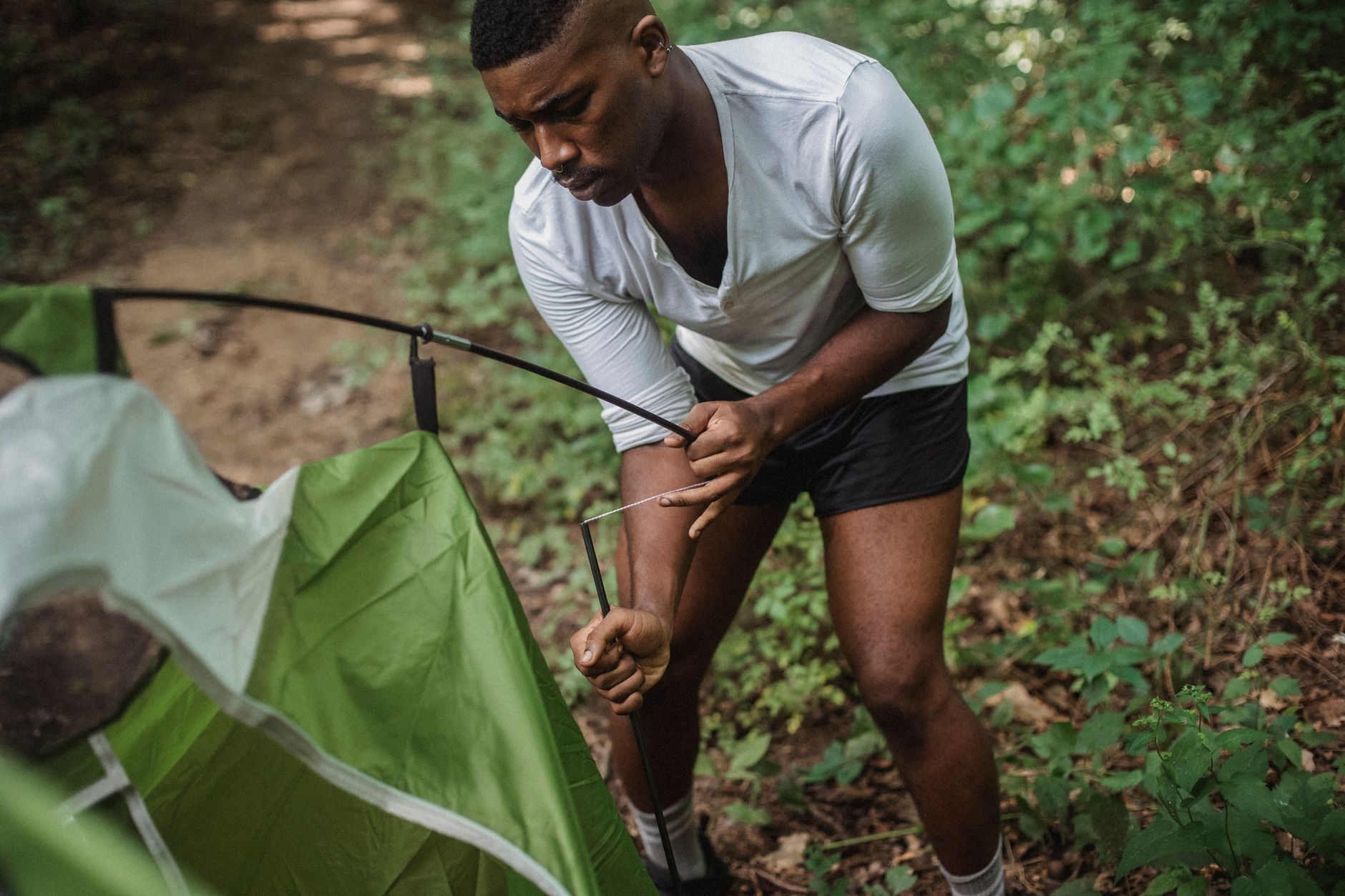
The outdoor industry just wrapped its biggest trade show season in years, and the message is clear: 2026 is the year camping gear finally became accessible. With entry-level equipment now incorporating tech that was premium-only two years ago—think sub-3-pound tents with color-coded poles and sleeping pads that inflate in 90 seconds—there’s never been a better time to start your outdoor journey. But here’s the problem: walk into any outfitter or scroll through online retailers, and you’ll face over 47,000 products claiming to be “essential.” Finding the actual best camping gear for beginners 2026 requires cutting through marketing noise and focusing on what genuinely matters for your first dozen nights under the stars.
We’ve spent the past eight months testing entry-level gear across four seasons and three climate zones, from humid Southeast forests to high desert plateaus. This isn’t about the lightest or the most expensive—it’s about equipment that forgives mistakes, sets up intuitively when you’re tired and daylight is fading, and won’t require replacement after your third trip. Whether you’re planning car camping at established campgrounds or venturing into backcountry basics, this guide identifies exactly what you need, what you don’t, and where your money actually improves your experience versus where it’s just funding brand logos.
The 2026 Beginner Advantage: Why Starting Now Is Different
Three years ago, beginners faced a brutal choice: buy cheap gear that failed quickly, or invest heavily in equipment they might not use. That calculus has flipped. The trickle-down of technology means today’s $89 tent often outperforms 2023’s $200 models. Specifically, look for these 2026 markers that separate legitimate beginner gear from outdated inventory being cleared out:
Color-coded setup systems are now standard below $150. Tent poles, clips, and even footprint corners use matching colors, reducing first-time setup from 20 minutes of frustration to under 5 minutes. Hybrid insulation in sleeping bags combines synthetic and down in strategic zones, giving you warmth even if you compress the bag wrong or encounter unexpected dampness. Integrated LED lighting in tent ceilings and gear lofts eliminates the “where’s my headlamp” panic at 2 AM.
The biggest shift? Modular design. Manufacturers finally recognized that beginners don’t know what they need yet. The best 2026 starter kits feature sleeping pads that connect to create double-wide options, tents with removable vestibules, and cook systems that scale from solo to group use. This means your initial investment adapts as your camping style evolves.
Shelter Systems That Forgive Learning Curves
Your tent is your most critical purchase, and where most beginners either overspend on features they won’t use or underspend on quality that matters. For 2026, the sweet spot sits between $120-$180 for a two-person tent that actually fits two people plus gear.
The non-negotiables: Look for a minimum 88-inch length (fits campers up to 6’2” comfortably), at least 42 inches of peak height (allows sitting up without hunching), and two doors. That second door isn’t luxury—it’s relationship preservation when nature calls at midnight. Vestibule space should total at least 8 square feet combined; you need somewhere for muddy boots that isn’t your sleeping area.
2026-specific innovation: Several manufacturers now include “practice pitch” QR codes linking to 90-second setup videos specific to your exact model. Scan it at home before your trip. The Eureka Copper Canyon LX 4 and REI Co-op Half Dome SL 2+ both exemplify this beginner-focused approach, with intuitive pole designs and freestanding structures that don’t require perfect stake placement to remain stable.
Skip for now: Ultralight backpacking tents under 3 pounds. They’re cramped, fragile, and require precise site selection. Save that upgrade for trip ten, when you know whether you prioritize weight or space.
Sleep Systems: Temperature Ratings Are Lies (Sort Of)
Here’s the uncomfortable truth the industry doesn’t advertise: sleeping bag temperature ratings assume you’re wearing base layers, using a quality pad, and sleeping in a fetal position. For beginners who toss, turn, and haven’t mastered the mummy bag hood, add 15 degrees to the rating for realistic comfort.
The best camping gear for beginners 2026 includes a sleeping pad with an R-value of at least 4. This isn’t about comfort—it’s about insulation from ground cold, which saps heat faster than air temperature. The Klymit Static V2 and Sea to Summit Camp Mat both deliver this at beginner-friendly price points ($60-$80) with inflation requiring under 20 breaths.
For bags, synthetic insulation remains the beginner’s friend despite down’s superior packability. Why? Synthetic retains 60% of its warmth when damp; down drops to nearly zero. Until you’ve mastered campsite selection and condensation management, synthetic’s forgiveness matters more than saving eight ounces. The Kelty Cosmic Synthetic 20 and Marmot Trestles Elite Eco 20 both compress reasonably, unzip fully for warm nights, and cost under $120.
Pro tip: Buy a $12 foam ear plug set. Beginners consistently underestimate how much campground noise—generators, late arrivals, that one owl—disrupts sleep quality more than any equipment deficiency.
Camp Kitchen: Start Simple, Scale Smart
The 2026 trend toward elaborate camp cooking setups is real, but beginners should resist the Instagram-worthy spread. Your first kitchen needs exactly four components: a reliable stove, one pot, one pan, and a coffee method you actually enjoy.
Stove selection splits into two paths. For car camping, the Camp Chef Everest 2X delivers 20,000 BTUs per burner, wind resistance that actually works, and a push-button igniter that functions after being dropped. For backpacking aspirations, the MSR PocketRocket Deluxe offers similar reliability in a package smaller than your fist. Both eliminate the “will it light” anxiety that ruins morning coffee.
Cookware reality check: That 12-piece nesting set seems logical until you’re cleaning it. Start with a 2-liter pot with a locking lid (doubles as a bowl) and a 10-inch non-stick skillet. The GSI Outdoors Pinnacle Camper set covers four people with two pots and a pan, but buy the components separately to start—you’ll save $40 and cupboard space.
Water treatment deserves more attention than it gets. The CDC reports a 23% increase in waterborne illness among campers since 2023, primarily from beginners assuming “clear mountain stream” means safe. The Sawyer Squeeze remains the 2026 standard: $35, filters 100,000 gallons, and attaches to standard water bottles. Pair it with a $8 Cnoc Vecto 2L bag for gravity filtering at camp.
Lighting, Power, and the Connectivity Question
The 2026 beginner faces a decision previous generations didn’t: how connected do you want to be? Our recommendation—plan for emergency capability, not entertainment streaming.
Essential lighting starts with a headlamp offering 300+ lumens and a red-light mode. The Black Diamond Spot 400 and Petzl Actik Core both provide USB-rechargeable convenience with battery backup compatibility. Add a $15 collapsible lantern for tent ambiance; the MPOWERD Luci Outdoor 2.0 inflates, solar charges, and survives being stepped on.
Power strategy depends on trip length. For weekends, a 10,000mAh power bank (Anker PowerCore or similar) recharges phones 2-3 times. For week-long trips, the Jackery Explorer 300 Plus has become the 2026 beginner standard—288Wh capacity, 300W output, and a $199 price point that undercuts 2024’s equivalent by $80. It powers CPAP machines, camera batteries, and yes, a small fan for hot nights.
The honest take on connectivity: Download offline maps before leaving coverage. The Gaia GPS app with downloaded topo layers functions without signal and has prevented more beginner emergencies than any piece of physical gear we tested.
Building Your Kit Without Breaking Your Budget
The complete setup we’ve outlined totals approximately $650-$750 if purchased new. That’s significant, but strategic shopping reduces it substantially. Here’s the 2026 beginner’s buying sequence:
Month one: Shelter and sleep system (tent, bag, pad). Watch for REI’s anniversary sale in May or Backcountry’s semi-annual events—30% off is realistic.
Month two: Kitchen basics. Stoves and cookware see deeper discounts in late summer as retailers clear inventory.
Month three: Lighting and power. These categories see Black Friday pricing that genuinely beats other sales.
The used market reality: Facebook Marketplace and GearTrade offer legitimate deals, but inspect tent zippers (should glide silently), sleeping bag loft (should spring back when compressed), and stove valves (should turn smoothly). Avoid used water filters entirely—internal contamination is invisible.
Your First Trip Starts Now
The best camping gear for beginners 2026 isn’t about having everything—it’s about having the right things that build confidence rather than create complications. Start with shelter and sleep, add cooking capability, then refine based on actual experience rather than imagined needs. The industry wants you to believe you need specialized equipment for every scenario; the truth is that 80% of camping enjoyment comes from 20% of available gear.
Your action step this week: identify one local campground with availability within 60 days and book it. Not a wilderness epic—a simple overnight where you can test your setup with a bailout option. The gear matters, but the experience of using it matters more. See you out there.