
Spring Outdoor Adventure Budget Planning: The Gear-Swap Strategy That Saves You $500+
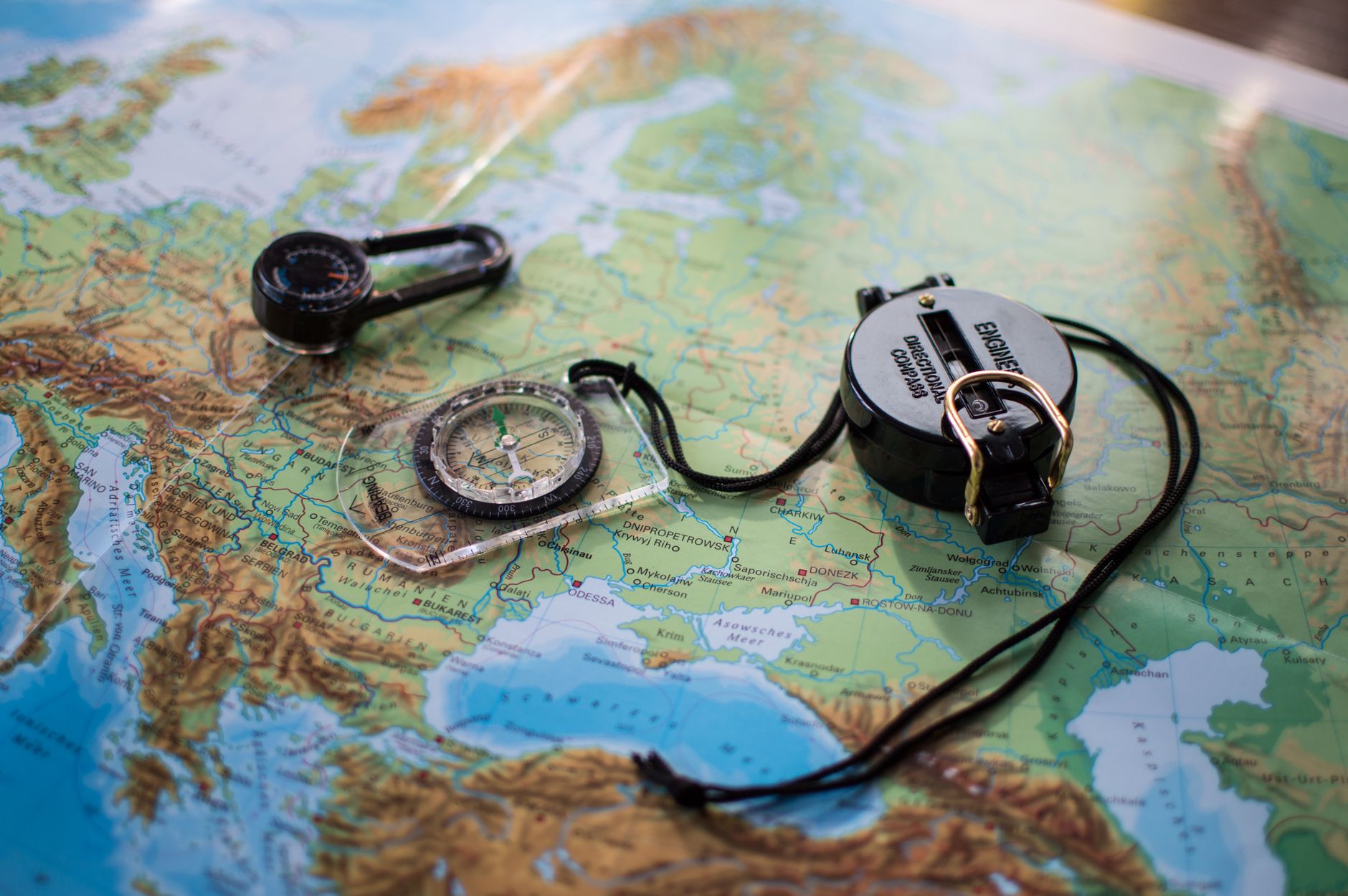
The tents are popping up across Colorado’s Front Range this weekend as the state’s biggest outdoor adventure festival returns for 2026—proof that spring fever has officially hit the outdoor community. But here’s what most festival-goers won’t tell you: the smartest adventurers aren’t dropping full retail on shiny new gear. They’re the ones who’ve mastered spring outdoor adventure budget planning months before the first wildflower bloom, building a system that funds their entire season without credit card debt.
After helping dozens of friends transition from “window shopping REI” to “actually hitting the trail,” I’ve developed a framework that works especially well for spring’s unique challenges—unpredictable weather, gear transitions from winter to summer, and that maddening urge to buy everything at once when the season turns.
The $637 Spring Trap (And How to Avoid It)
Most outdoor enthusiasts blow their spring budget within 72 hours of their first warm Saturday. Here’s the typical damage: a new three-season tent ($280), “upgraded” sleeping bag rated for shoulder season ($195), rain shell because last year’s “doesn’t feel right anymore” ($120), plus fuel, permits, and that camp chair with the cup holder you definitely don’t need ($42). Total: $637 before you’ve slept a single night outside.
Spring outdoor adventure budget planning starts with recognizing this trap. Spring isn’t about new gear—it’s about transitional gear. The items that bridge winter’s harshness and summer’s simplicity. Your budget should reflect this temporary, in-between nature.
My rule: cap spring-specific purchases at $200 total. Everything else comes from swapping, borrowing, or repurposing what you already own.
The Gear-Swap Calendar: Your 4-Week Spring System
This is where most budget guides fail—they treat gear as a one-time purchase. Instead, build a rotating system that costs almost nothing after year one.
Week 1: The Inventory Audit Pull every piece of outdoor gear you own onto the living room floor. Categorize ruthlessly:
- Winter-only (zero-degree bag, insulated boots, snowshoes)
- Summer-only (mesh tent, 40-degree quilt, sun hat)
- True three-season (rain shell, headlamp, stove)
- The gap (what’s missing for 35°F nights and muddy trails?)
Most people discover they own 70% of what they need. The gap is smaller than marketing makes it seem.
Week 2: The Swap Network Activation Three sources, zero dollars spent:
- Local outdoor clubs: Colorado Mountain Club, Appalachian Mountain Club, and regional Sierra Club chapters host spring swap meets. The Denver chapter alone moves 400+ gear items every March.
- Online platforms: GearTrade, REI Used, and Facebook’s regional hiking groups. Pro tip: search “spring cleaning” in April for motivated sellers.
- The friend layer: Text five outdoorsy contacts with specific needs. “Anyone have a 20-degree bag I could borrow for two April weekends?” Specificity gets yeses; vagueness gets ignored.
Week 3: The Strategic Purchase If gaps remain, buy with surgical precision. My 2026 spring shopping list for a Colorado festival-to-trail season:
- Used 30-degree synthetic bag ($65, GearTrade)
- Tenacious Tape patch kit for aging rainfly ($12)
- Two-pack of merino wool base layer tops, factory seconds ($38, Minus33)
Total: $115. Everything else borrowed or already owned.
Week 4: The Commitment Lock Book two concrete trips before buying anything else. A reserved campsite at Golden Gate Canyon State Park and a permit for the Lost Creek Wilderness loop. Scheduled adventures prevent the “buy more, do less” spiral.
Location Hacking: Where Spring Budgets Actually Break
Gear gets the attention, but location costs destroy spring budgets silently. Here’s the math most miss:
The elevation gradient trick: Spring arrives in waves. By planning trips that follow snowmelt upward, you extend your season without extending your spending. March camping at 4,000 feet in Kansas’s Flint Hills ($0 permits, $12/night primitive sites). April weekends at 6,500 feet in Oklahoma’s Wichita Mountains. May pushes to 8,000 in Colorado’s foothills. You’re chasing spring rather than fighting it, and lower elevations mean lighter gear requirements.
Festival integration: Colorado’s outdoor adventure festival circuit—kicking off this very weekend—offers unusual budget opportunities. Demo gear tents let you test before buying. Workshop fees ($15-25) replace expensive guided introductions. And the networking? That’s how you find next year’s swap partners.
The Wednesday departure: Spring camping rates often drop 40% for Sunday-Wednesday stays. Your boss might not love it, but your budget will.
The 15% Maintenance Rule Nobody Follows
Here’s my most controversial budget principle: spend 15% of your spring gear budget on maintenance, not acquisition. For a $200 spring cap, that’s $30 on:
- Tent seam sealer ($8)
- Sleeping pad patch kit ($12)
- New stove O-rings and lubricant ($10)
This $30 prevents $200 in “my gear failed, I need new gear” panic purchases. I’ve watched friends abandon perfectly functional tents because they never learned to re-waterproof the rainfly. The outdoor industry loves this ignorance. Your budget shouldn’t.
Building Your Spring Budget in 20 Minutes
Stop reading, start planning. Grab your phone’s calculator:
- Set your spring ceiling: $150-300 for most casual adventurers, $400-500 if you’re transitioning from car camping to backpacking.
- List concrete trips: Specific dates, locations, group sizes. Vague “spring camping” leads to vague overspending.
- Assign gear to trips: That 30-degree bag covers April’s Lost Creek trip and May’s festival volunteering. One item, multiple uses.
- Subtract what you own: Be honest. That 15-year-old sleeping bag works fine at 50°F with a liner.
- The final number: What’s truly missing? This is your real budget, not the marketing department’s fantasy.
Conclusion
Colorado’s festival crowds this weekend will cheer new gear announcements and dream of summer expeditions. The smarter crowd—the ones you’ll actually see on trail in May—are the practitioners of disciplined spring outdoor adventure budget planning. They’ve built a gear-swap network, chased elevation instead of temperature, and invested in maintenance over marketing.
Your spring adventure fund doesn’t need to match anyone else’s. It needs to get you outside, consistently, without financial hangover. Start with the inventory audit this weekend. Text those five friends. Book one concrete trip. The season is happening now—your budget should enable it, not delay it.