
Pocket Knife Blade Steel Comparison Guide: What Actually Matters in the Field
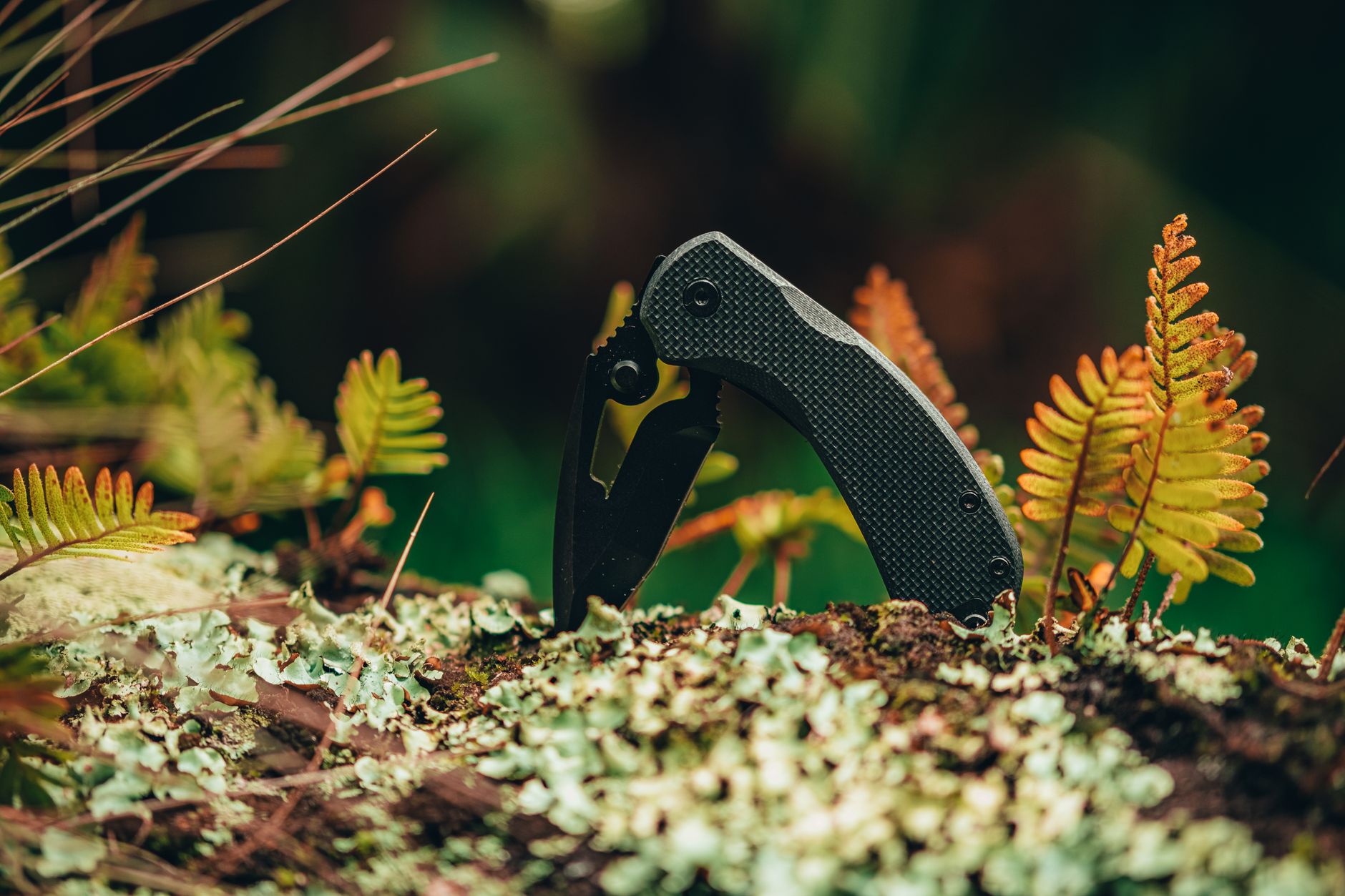
The outdoor gear world is shifting fast in 2026. According to the Adventure Travel Trade Association’s latest trend report, adventure travelers are demanding “gear that lasts”—durable, repairable equipment that survives multiple trips instead of one-season wonders. That pressure is reshaping how manufacturers choose blade steels, and it’s forcing us to look past marketing hype at what actually performs when you’re miles from the trailhead.
If you’ve ever stood in a shop staring at cryptic steel codes—8Cr13MoV, S30V, 1095, Elmax—and wondered which pocket knife deserves your money, this pocket knife blade steel comparison guide is built for you. No metallurgy degree required. Just field-tested clarity for people who actually use their knives.
Why Steel Specs Alone Won’t Save You
Here’s the uncomfortable truth: the “best” steel on paper often isn’t the best for your trip. Knife Steel Nerds and other lab-focused sources do incredible work measuring toughness, edge retention, and corrosion resistance under controlled conditions. But backcountry reality introduces variables those tests can’t fully capture.
You’re cutting rope that’s gritty with sandstone dust. You’re opening freeze-dried meals with sauce that’ll sit on the blade for hours. You’re batoning small kindling because your fire’s struggling and the light’s fading. The steel that scores 9/10 in a corrosion test might chip when you need it most. The steel that holds an edge forever might require tools you didn’t pack to resharpen.
The three factors that actually matter in the field:
- Edge retention — how long before you need to touch up the blade
- Toughness — resistance to chipping, rolling, or snapping under stress
- Corrosion resistance — how it handles moisture, especially in coastal or humid environments
Most steels excel at two of these while sacrificing the third. Your job is matching that trade-off to your typical adventures.
The Steels You’ll Actually Encounter: A Field-Broken Breakdown
Budget Workhorses: 8Cr13MoV and 420HC
These are the steels in knives under $40. 8Cr13MoV (common in Chinese-made folders like early Kershaws) and 420HC (Buck’s longtime standard) won’t win spec-sheet contests. But here’s what gear trends for 2026 are getting right: repairability and accessibility matter.
8Cr13MoV takes a wicked edge quickly and sharpens easily on a basic river stone. It rusts faster than premium steels, so it demands respect around water. For weekend campers who maintain their gear, it’s perfectly adequate.
420HC with Buck’s heat treatment punches above its weight. It sacrifices some edge retention for genuine toughness. I’ve seen 420HC blades survive prying tasks that chipped supposedly “superior” steels.
Best for: Beginners, backup knives, car camping kits, anyone who’d rather replace than invest heavily.
The Sweet Spot: D2, 14C28N, and 154CM
This is where most serious outdoor users should focus. These steels balance performance with real-world practicality.
D2 is a “semi-stainless” tool steel with excellent edge retention and good toughness. The catch: it’ll develop surface patina or rust if neglected. For dry-climate hikers and hunters who don’t mind wiping blades down, D2 is a value champion. ESEE’s D2 offerings and numerous budget folders prove its field credibility.
14C28N (Sandvik’s contribution, popular in Kershaw and Real Steel knives) was developed specifically for knife applications. It offers corrosion resistance near stainless levels with better toughness than typical stainless formulas. It won’t hold an edge as long as D2, but it sharpens faster and shrugs off abuse that would damage more brittle steels.
154CM (and its near-twin CPM-154) is the classic American premium stainless. Benchmade built their reputation on it. Strong corrosion resistance, good toughness, solid edge retention. It requires more effort to sharpen than 14C28N but rewards that work with longer performance.
Best for: Regular backpackers, hunters in varied conditions, anyone wanting one knife for multiple trip types.
The Premium Tier: S30V, S35VN, and Magnacut
Here’s where 2026’s durability trend gets interesting. These steels cost more, but they’re increasingly justified for serious users rather than collectors.
S30V revolutionized knife steel when Crucible introduced it. Excellent edge retention, good corrosion resistance, adequate toughness. It can be stubborn to sharpen in the field—bring a quality diamond rod if you’re relying on it for extended trips.
S35VN tweaked S30V’s formula for improved toughness and easier sharpening. Most major manufacturers (Spyderco, Zero Tolerance, Chris Reeve) have migrated here. It’s arguably the most balanced premium steel for outdoor use.
Magnacut is the newcomer everyone’s watching. Developed by Dr. Larrin Thomas of Knife Steel Nerds specifically to eliminate the traditional toughness/corrosion-resistance trade-off, early field reports are promising. Spyderco, Benchmade, and smaller makers are adopting it rapidly. It’s expensive, but if the durability trend continues, Magnacut may become the new standard for serious outdoor knives.
Best for: Extended backcountry trips, professionals, anyone using their knife daily in demanding conditions.
The Heat Treatment Factor Nobody Talks About Enough
Two knives with identical steel stamps can perform wildly differently. Heat treatment—how the manufacturer hardens and tempers the steel—often matters more than the steel itself.
Buck’s 420HC outperforms generic 420HC because of Paul Bos’s legendary heat treat. A poorly heat-treated S30V can chip like cheap ceramic. When comparing knives, research whether the maker has in-house expertise or outsources treatment.
Quick check: Search “[knife model] edge chipping forum” before buying. Recurring complaints about a specific model often trace to heat treatment inconsistencies, not the steel itself.
Matching Steel to Your Actual Trips
| Trip Type | Priority | Recommended Steels |
|---|---|---|
| Weekend car camping | Easy maintenance, low cost | 420HC, 8Cr13MoV |
| Multi-day backpacking | Balanced performance | 14C28N, 154CM, D2 (dry climates) |
| Coastal/humid environments | Corrosion resistance | 14C28N, 154CM, S35VN, Magnacut |
| Extended wilderness travel | Maximum reliability | S35VN, Magnacut |
| Hunting/bushcraft | Toughness first | D2, properly heat-treated 1095 |
Maintenance: The Great Equalizer
The finest Magnacut blade will underperform a maintained 420HC blade if neglected. Field maintenance is non-negotiable regardless of steel.
My three-minute post-trip routine:
- Wipe blade with cloth dampened in fresh water (not salt—ever)
- Dry completely, especially at pivot and spine
- Light oil or wax coating before storage
- Check for micro-chips that need addressing before next trip
Carry a small diamond rod (DMT’s Mini-Sharp or similar) for any trip over two nights. Even the best edge contacts something hard eventually.
Conclusion: Choose Your Compromise Wisely
This pocket knife blade steel comparison guide isn’t about declaring one steel supreme. It’s about recognizing that every blade represents an engineering compromise, then choosing the compromise that serves your hands and your trails.
The 2026 push toward durable, repairable gear aligns perfectly with understanding steel rather than worshipping it. A mid-range steel you can maintain beats a premium steel you neglect. A budget blade you replace without regret beats a safe queen you hesitate to use.
Stop chasing perfect specs. Start matching steel to reality: your climate, your maintenance habits, your budget, and the actual cutting tasks waiting on the trail. The right knife isn’t the one with the fanciest metallurgy. It’s the one that’s sharp when you need it, tough when you push it, and forgotten until then because it simply works.
What steel has earned your trust in the field? Drop your experience in the comments—real-world data beats lab reports every time.