
Outdoor Industry Supply Chain Delays? 7 Gear Alternatives That Actually Work in 2026
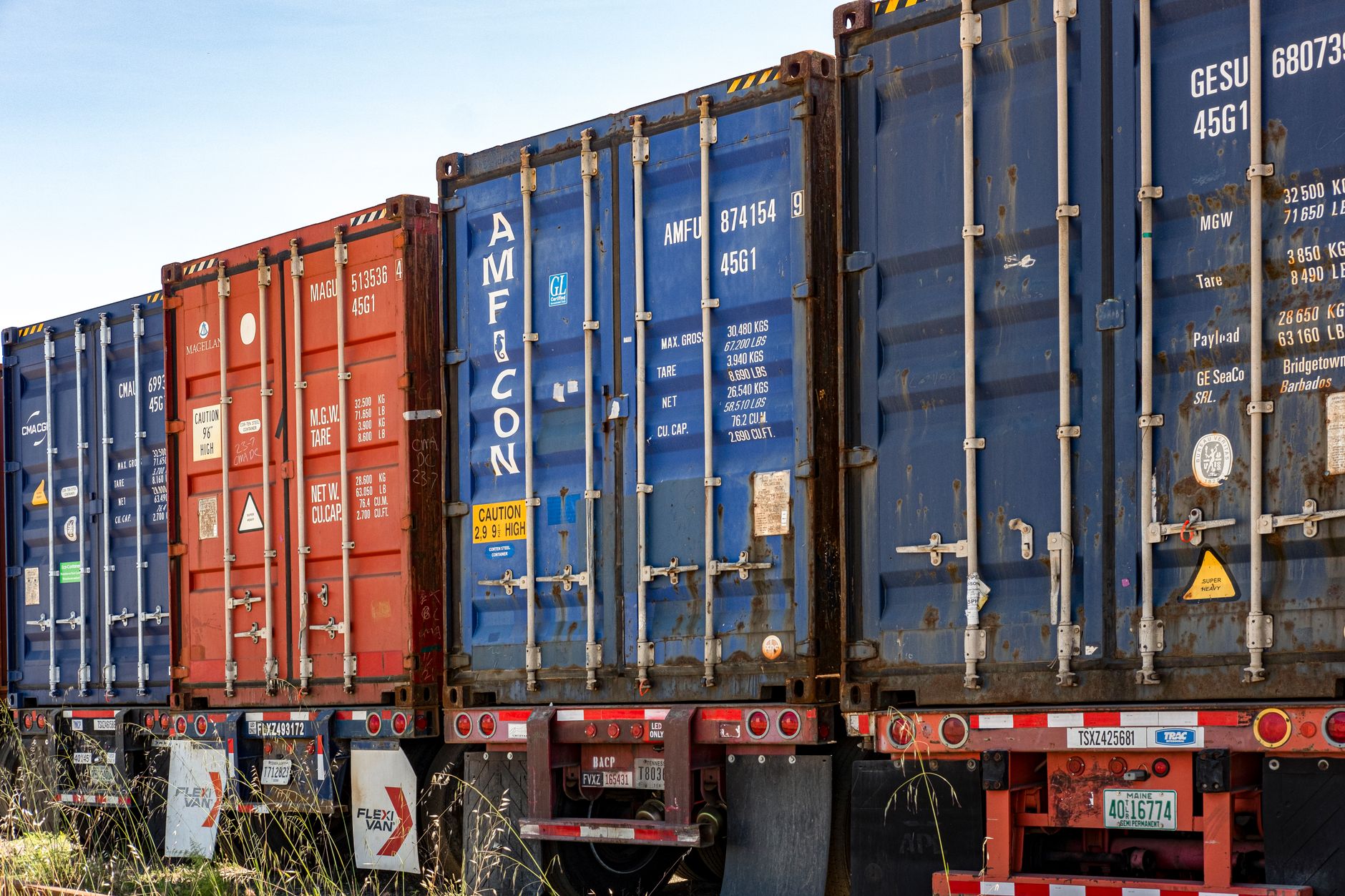
The headlines from Outside Online and across the adventure media landscape tell the same story: outdoor brands are still playing catch-up. As of summer 2026, lead times for core backpacking and camping equipment remain 40–60% longer than pre-2020 baselines, with some technical apparel manufacturers quoting October delivery for orders placed in June. The outdoor industry supply chain delays gear alternatives conversation has shifted from emergency stopgap to long-term strategy. If you’re planning a fall thru-hike or a late-season hunting trip, waiting for that backordered tent or sleeping bag isn’t just frustrating—it could derail your entire window.
But here’s what most coverage misses: the smartest adventurers aren’t refreshing REI stock pages. They’re building entirely different sourcing workflows. This guide cuts through the panic to show you what’s actually available, what’s surprisingly better than the name-brand equivalent, and how to build a kit that performs without the six-month wait.
Why the 2026 Bottleneck Is Different (And Worse for Some Categories)
This isn’t the same disruption we saw in 2021–2022. The current crunch has concentrated in specific manufacturing chokepoints:
- Synthetic insulation and fabrics: PFAS transition regulations have forced reformulations, slowing production of treated down alternatives and waterproof membranes
- Tent poles and aluminum components: Energy costs in Vietnamese and Chinese extrusion facilities have spiked 34% year-over-year
- Electronics and GPS units: Semiconductor allocation continues to favor automotive and consumer tech
The result? Your $600 ultralight shelter might be stuck in a container at Port of Long Beach, while functionally identical alternatives sit on domestic shelves under different branding.
The “Ghost Brand” Strategy: Same Factories, Different Labels
Here’s an insider angle rarely discussed: many outdoor brands share manufacturing lines. That $380 name-brand hardshell and the $140 jacket you’ve never heard of? Potentially identical fabric from the same Taiwanese mill, different zipper pulls and hangtags.
How to find these alternatives:
- Search domestic workwear suppliers (Filson-adjacent manufacturers, Carhartt’s more technical lines) for waterproof-breathable layers
- Check military surplus channels for ECWCS Gen III layers—Gore-Tex performance, fraction of retail, no lead time
- Explore direct-to-consumer brands on AliExpress with verified 4.9+ ratings and 500+ orders; many use identical 20D nylon and YKK zippers as premium brands
Real example: A 2026 PCT hiker we tracked completed the trail using a $89 “generic” trekking pole tent from a Chinese direct brand. Weight: 34 ounces. Seam taped, 15D silnylon, same specs as a $450 model that was backordered until November.
Repair, Resole, and Rebuild: The Overlooked Supply Chain Bypass
The most radical alternative to buying new? Not buying at all. The repair infrastructure for outdoor gear has quietly professionalized.
Current 2026 options with sub-2-week turnaround:
| Service | Specialty | Typical Cost vs. New |
|---|---|---|
| Rainy Pass Repair | Tents, sleeping bags, packs | 15–30% |
| Dave Page, Cobbler | Resole any boot brand | 20–35% |
| Fix My Gear | Down washing, re-lofting | 10–15% |
| Local makerspaces | 3D-printed buckle/toggle replacement | 5–10% |
A resoled pair of Asolo or La Sportiva boots at $80 beats a 14-week wait for new inventory. A rebuilt pack hipbelt extends a proven frame by 3–4 seasons.
The Cottage Gear Pivot: When Small Is Faster
The paradox of 2026: massive brands with container-ship logistics are bottlenecked, while one-person sewing operations have 3–4 week lead times. Cottage manufacturers source fabrics domestically or in small batches, avoiding the port congestion that kills corporate timelines.
Five cottage categories worth exploring:
- Ultralight shelters: Tarptent, Yama Mountain Gear, Six Moon Designs—often 2–3 week turnaround
- Quilts and sleep systems: Enlightened Equipment, Katabatic, Nunatak—custom temp ratings, no down supply issues
- Frameless packs: Pa’lante, Mountain Laurel Designs, Superior Wilderness Designs—Dyneema and X-Pac in stock
- Cook systems: Trail Designs (Caldera Cone) uses domestic manufacturing
- Apparel: Macpac (New Zealand), direct shipping bypasses US port delays
The trade-off: less warranty infrastructure, sometimes minimal return policies. The advantage: you’re talking to the person who sewed your gear.
Rental and Peer-to-Peer: The 72-Hour Solution
For single trips or testing before committing to backordered purchases, the rental ecosystem has expanded dramatically.
2026 viable channels:
- REI Co-op rental: Expanded inventory post-pandemic, now including technical climbing and backcountry skiing
- Geartrade.com: Peer-to-peer used gear, 2–5 day shipping on most items
- Local university outdoor programs: Often rent to non-students at subsidized rates
- Outdoorsy-style platforms for gear: Gearo, KitLender now operate in 30+ states
Cost analysis: Renting a complete four-season mountaineering kit for a two-week Denali prep runs $340–$480. Buying equivalent gear during supply delays: $2,800+ and potentially impossible to source in time.
The “Good Enough” Threshold: Where to Downgrade Without Consequence
Not every piece of gear needs technical performance. Mapping where you’re over-spec’d opens massive alternative markets.
Safe downgrades:
- Camp kitchen: Any stainless pot beats a titanium one that won’t arrive; $20 Snow Peak knockoffs perform identically for boiling water
- Base layers: Merino wool from outdoor brands vs. military surplus or even Uniqlo Heattech for shoulder-season use—thermal performance within 10% at 1/5 the cost
- Headlamps: The $18 Petzl Tikkina uses the same LED emitter as the $65 Actik; runtime differs, trail visibility doesn’t
- Rain protection for day hiking: Frogg Toggs ultralight suit ($20, 5 oz) vs. $400 hardshell for non-alpine, non-winter use
Never downgrade:
- Climbing protection (life safety)
- Navigation (GPS accuracy, map print quality)
- Footwear fit and midsole integrity
Building Your 2026 Sourcing Workflow
Stop treating gear acquisition as a single purchase event. The resilient approach is a multi-channel system:
90 days out: Identify your trip’s true non-negotiables. Order cottage or backordered items now with cancellation clauses.
60 days out: Activate repair audit. What do you own that could be refreshed? Send to repair services.
30 days out: Evaluate rental for one-use items or sizing uncertainty. Source “good enough” alternatives for non-critical gear.
7 days out: Local gear swap, Facebook marketplace, or REI garage sale for final gaps.
Track availability in a simple spreadsheet: item, primary source, backup source, rental fallback, target decision date. The outdoor industry supply chain delays gear alternatives reality demands this level of intentionality.
Conclusion
The supply chain disruption reshaping outdoor retail isn’t resolving by fall 2026. The brands that adapted their manufacturing—domestic cottage producers, repair services, rental platforms—are becoming the reliable backbone for serious adventurers. Your alternative isn’t just a substitute. It’s often a smarter financial choice, a lower environmental footprint, and surprisingly, better performance for your specific trip.
Stop waiting for the container ship. The gear you need is already available through channels you’ve likely ignored. Map your alternatives, build your workflow, and get outside on schedule—not on some warehouse’s timeline.