
Micro Adventure Urban Wilderness Escapes: 6 Hidden City Ecosystems You Can Explore in 90 Minutes
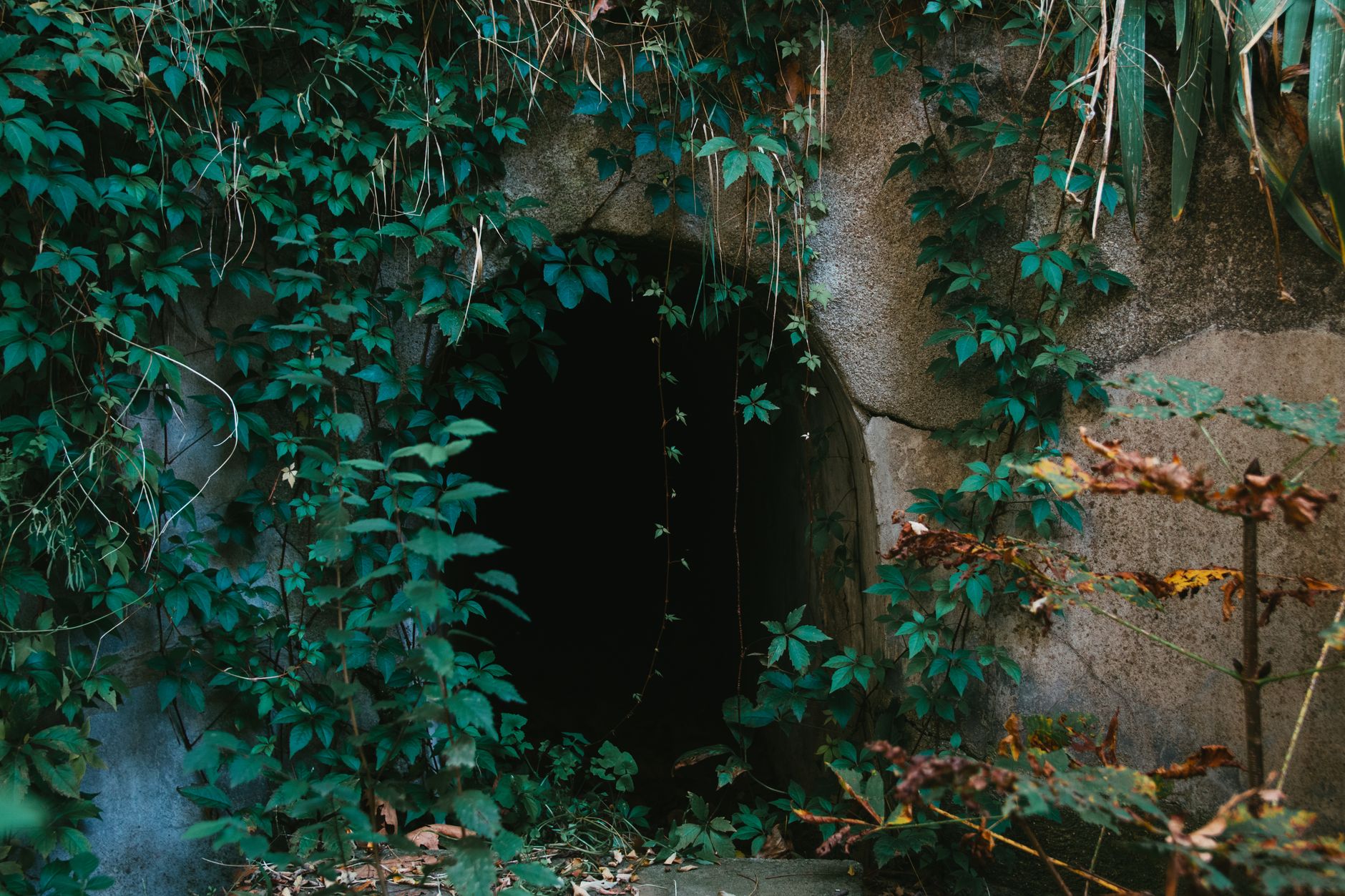
The Adventure Travel Trade Association’s 2026 trend report just dropped a bombshell: the fastest-growing segment in adventure travel isn’t remote expeditions or luxury eco-lodges—it’s hyper-local, time-compressed experiences that rewild urban spaces. Travelers are rejecting the “escape the city” narrative entirely. Instead, they’re demanding micro adventure urban wilderness escapes that uncover wild ecosystems hiding in plain sight, accessible within a lunch break or single afternoon.
This shift isn’t surprising. With remote work normalization, city dwellers have developed what researchers call “nature deficit whiplash”—craving immersion but lacking multi-day windows. The solution? Treating your city as a layered wilderness with distinct biological zones, each offering genuine adventure without the highway miles.
Forget the tired advice about “finding a local park.” These six urban ecosystem types represent legitimate wilderness experiences—complete with wildlife corridors, hydrological features, and seasonal phenology—that just happen to exist within municipal boundaries.
Why Ecosystem Thinking Changes Everything
Most urban nature guides treat city green spaces as interchangeable relaxation zones. The ecosystem approach flips this. When you identify specific biological communities—riparian corridors, successional forests, wetland remnants—you unlock targeted skills, seasonal timing, and gear choices that transform a stroll into genuine exploration.
Riparian corridors (stream and river edges) offer the highest wildlife density in most cities. Dawn patrols along these linear habitats routinely yield heron rookeries, mink territories, and migratory bird bottlenecks that rival rural hotspots.
Rail corridor prairies—those sun-blasted strips alongside active tracks—host some of the last remnant tallgrass ecosystems in the Midwest and Northeast. These disturbance-dependent communities require specific botanical knowledge to appreciate fully.
Quarried escarpments in former industrial zones create cliff ecosystems with peregrine falcon nesting, specialized lichen communities, and technical scrambling opportunities that demand real rock skills.
The ATTA’s 2026 data confirms this specificity is exactly what travelers now seek: 73% of millennial and Gen Z adventure travelers want “skill-building in unexpected locations” versus passive sightseeing.
The 90-Minute Urban Biome System
Your city contains roughly 4-6 distinct biomes if you know where to look. Here’s how to map and exploit them for micro adventure urban wilderness escapes that deliver genuine transformation.
Dawn riparian protocol (90 minutes): Launch 45 minutes before sunrise. Head to the nearest substantial creek or river corridor. Move upstream against the current—this masks your scent and noise. Binoculars are non-negotiable; 8x42 models balance light-gathering with portability. Document bird species using eBird for personal trend tracking. The magic window closes 90 minutes after sunrise when human activity spikes.
Nocturnal wetland sortie (60-75 minutes): Urban retention ponds and constructed wetlands become amphibian choruses during spring breeding. A headlamp with red filter preserves night vision. The phenomenon peaks during specific temperature windows—typically 50-65°F with recent rainfall. This requires precise weather monitoring that builds genuine field craft.
Post-storm successional survey (variable): Abandoned industrial lots and brownfield sites explode with pioneer species after heavy rain. These disturbance communities shift weekly during growing season. A basic plant ID app (iNaturalist’s AI suggestions work remarkably well) turns this into legitimate botanical fieldwork.
Gear Minimalism for Maximum Urban Penetration
The 2026 trend toward “stealth adventure”—outdoor activity without obvious outdoor signaling—demands refined kit choices. You’re not hiking the AT; you’re infiltrating biological zones while maintaining urban mobility.
The 6-liter solution: A running vest or small hip pack carries everything needed. My current rotation: 500ml soft flask, compact 8x25 binoculars, phone with offline maps, ultralight wind shell, and a buff doubling as beanie or sun protection. Total weight under 1kg.
Footwear as ecosystem passport: Different biomes destroy different shoes. Riparian mud demands quick-draining trail runners with aggressive lugs. Escarpment scrambling requires sticky rubber approach shoes. Rail corridor exploration means puncture-resistant soles against ballast rock. The wrong choice ends adventures early or causes injury.
Sensory enhancement tools: Urban environments overwhelm with artificial stimuli. Noise-canceling earbuds (used safely, one ear only) playing nothing—just activated for ambient noise reduction—sharpen auditory wildlife detection. A polarized sunglass lens cuts glare on water surfaces, revealing submerged features and fish activity invisible to naked eye.
Seasonal Timing: The Hidden Calendar
Urban ecosystems follow compressed, intensified phenological patterns compared to rural counterparts. Heat island effects advance spring by 7-10 days. Disturbance regimes create extended blooming periods for pioneer species. Understanding this calendar separates tourists from practitioners.
February-March: Vernal pool formation in depressions and construction scars. Spotted salamander and wood frog breeding in northeastern cities. Requires night missions during rain events above 40°F.
April-May: Warbler fallouts during migration. Urban green spaces with concentrated tree canopy become critical stopover habitat. The “green wave” of leaf-out moves north at roughly 100 miles per week—track it for peak flower and insect emergence.
June-July: Cicada emergence cycles (Brood XIV returns to eastern cities in 2026). Dragonfly emergence at water bodies. These events are loud, spectacular, and strictly time-limited.
August-September: Urban fruiting of hackberry, mulberry, and planted serviceberry draws intense wildlife activity. Early nocturnal raccoon and opossum foraging shifts.
October-November: Raptor migration funnels along lakefronts and ridge lines. Urban hawk watches often match rural counts. Leaf-off reveals hidden nest structures and geological features.
December-January: Overwintering waterfowl concentration at open water. Ice-edge ecology. The stripped landscape exposes infrastructure—old foundations, abandoned rail beds—that inform summer exploration.
Building Your Urban Wilderness Portfolio
The deepest satisfaction comes from longitudinal engagement. My current project: documenting a single 2-mile creek corridor through complete annual cycle. Twelve months in, I’ve recorded 89 bird species, 14 mammal sign types, and identified 67 plant species—including three state-listed rare species in a “degraded” urban waterway.
This isn’t exceptional. It’s what happens when you apply backcountry observation discipline to frontcountry wildness.
Start with one ecosystem type. Commit to six visits across different seasons. Maintain simple records: date, conditions, notable observations, questions generated. Within a year, you’ll possess genuine expertise that no casual visitor can replicate.
Micro adventure urban wilderness escapes aren’t consolation prizes for people who can’t reach “real” wilderness. They’re the emerging frontier of adventure travel—a recognition that wildness persists everywhere, waiting for observers with sufficient patience and specific knowledge to reveal itself.
The ATTA’s trend forecasters nailed it: the future belongs to travelers who find the extraordinary in the overlooked, who develop deep competence in narrow geographies rather than shallow familiarity with many. Your city is more wild than you’ve been led to believe. The adventure is proving it.