
Mastering Ultralight Backpacking for Long-Distance Hiking
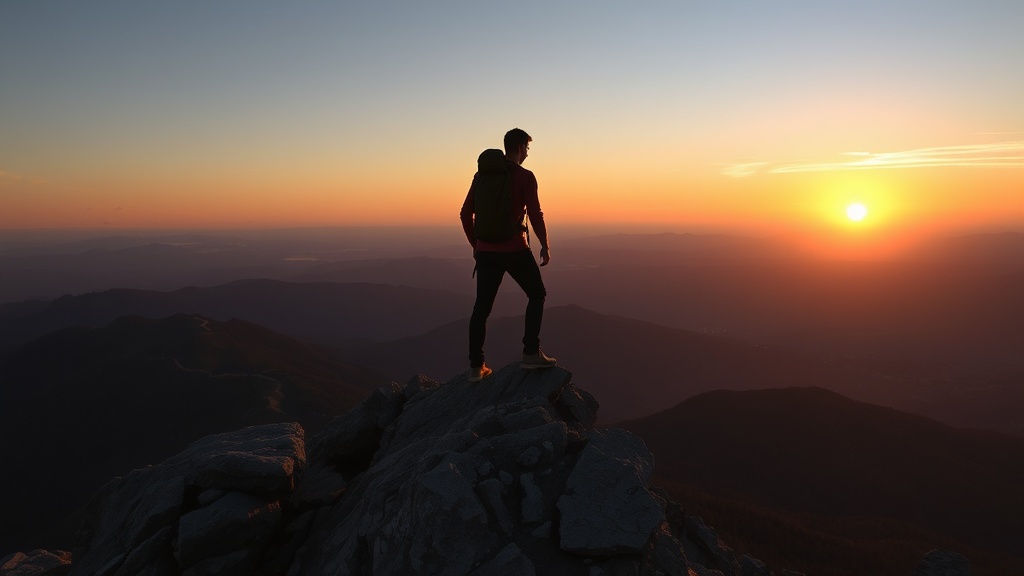
Ultralight backpacking has become increasingly popular among long-distance hikers, and for good reason. By significantly reducing the weight of their packs, hikers can cover more ground, enjoy a safer and more comfortable journey, and take in the breathtaking scenery without the burden of a heavy load. In this article, we’ll delve into the world of ultralight backpacking and provide you with actionable tips and expert advice on how to master this technique for your next long-distance hiking adventure.
Understanding the Basics of Ultralight Backpacking
Before we dive into the nitty-gritty of ultralight backpacking, it’s essential to understand the core principles behind this approach. The primary goal is to minimize pack weight while still carrying the necessary gear to ensure a safe and enjoyable journey. This requires a careful balance between lightweight gear, minimalist packing, and smart planning. By adopting an ultralight mindset, you’ll be able to shed pounds from your pack, reduce fatigue, and increase your overall hiking efficiency.
Choosing the Right Gear for Ultralight Backpacking
When it comes to ultralight backpacking, the right gear can make all the difference. Here are some tips for selecting the most suitable equipment for your long-distance hike:
- Backpack: Opt for a lightweight, compact backpack with a capacity of around 40-50 liters. Look for features like water-resistant materials, breathable mesh panels, and multiple compartments to keep your gear organized.
- Shelter: Consider a ultralight tent or tarp shelter that provides adequate protection from the elements while minimizing weight. Don’t forget to bring a lightweight sleeping bag and sleeping pad to ensure a comfortable night’s sleep.
- Clothing: Pack quick-drying, moisture-wicking clothing that can be easily mixed and matched to create multiple outfits. Don’t forget to bring a warm hat, gloves, and rain gear to stay dry and comfortable in unpredictable weather conditions.
- Cooking gear: Choose a lightweight backpacking stove and cooking pot that can be used to prepare a variety of meals. Consider a water filter or purification tablets to ensure access to safe drinking water.
Planning and Preparation for Ultralight Backpacking
While the right gear is essential for ultralight backpacking, planning and preparation are equally important. Here are some tips to help you prepare for your long-distance hike:
- Route planning: Research your route carefully, taking into account factors like terrain, elevation gain, and weather conditions. Use online resources like topographic maps and hiking apps to plan your itinerary and identify potential hazards.
- Food planning: Plan your meals in advance, opting for lightweight, high-calorie foods that can be easily prepared on the trail. Consider food dehydrating or freezer bag cooking to minimize weight and maximize nutrition.
- Training and conditioning: Start training at least 2-3 months before your hike, gradually increasing your mileage and elevation gain to build up your endurance. Incorporate strength training and flexibility exercises to improve your overall hiking performance.
Putting it all Together: Tips for a Successful Ultralight Backpacking Trip
Now that we’ve covered the basics of ultralight backpacking, here are some final tips to help you put it all together:
- Start small: Don’t try to tackle a long-distance hike for your first ultralight backpacking trip. Start with a shorter trip to test your gear, build your endurance, and refine your techniques.
- Be flexible: Ultralight backpacking requires a flexible mindset, so be prepared to adapt to changing weather conditions, trail closures, or other unexpected challenges.
- Stay safe: Always prioritize your safety, carrying a personal locator beacon (PLB) or satellite phone in case of emergencies. Let someone know your itinerary and expected return time, and make sure to check in regularly.
In conclusion, mastering ultralight backpacking for long-distance hiking requires a combination of the right gear, careful planning, and smart preparation. By following these tips and adopting an ultralight mindset, you’ll be able to reduce your pack weight, increase your hiking efficiency, and enjoy a safer, more comfortable journey. Whether you’re a seasoned hiker or just starting out, ultralight backpacking can help you take your hiking experience to the next level. So why not give it a try? With a little practice and patience, you’ll be well on your way to becoming an ultralight backpacking pro.