
Master Leave No Trace: Complete Guide to Ethical Wilderness Camping
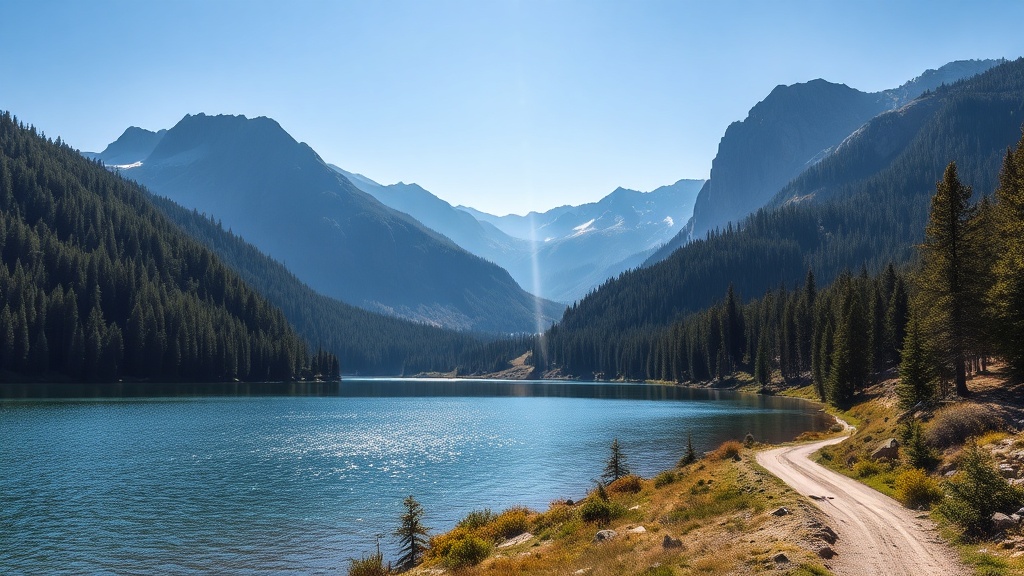
Master Leave No Trace: Complete Guide to Ethical Wilderness Camping

Whether you’re a seasoned backpacker or planning your first wilderness adventure, understanding Leave No Trace principles is essential. These seven guidelines form the foundation of responsible outdoor recreation, ensuring our wild spaces remain pristine for generations to come. This comprehensive guide walks you through practical applications of each principle so you can explore confidently while protecting the environment.
What is Leave No Trace?
Leave No Trace is an outdoor ethics framework developed to minimize human impact on natural environments. The philosophy recognizes that wilderness areas are fragile ecosystems deserving respect and protection. By following these evidence-based practices, outdoor enthusiasts can significantly reduce their environmental footprint.
The principles apply universally—from popular hiking trails to remote backcountry camps. They’re grounded in decades of research by land managers, ecologists, and outdoor professionals who understand how human activity affects landscapes.
Principle 1: Plan Ahead and Prepare
Proper planning is your first defense against leaving impacts in wilderness areas.
Research Your Destination
Before heading out, invest time understanding your location’s regulations, terrain, and ecological sensitivity. Contact local ranger stations or park management offices for current conditions and restrictions. Some areas require permits or have daily visitor limits—knowing these requirements prevents overcrowding vulnerable ecosystems.
Study maps thoroughly and identify durable camping areas away from water sources and established trails. Research wildlife activity patterns to avoid dangerous encounters and minimize stress on animals during sensitive seasons.
Check Your Gear
Ensure all equipment is in good repair before departure. A faulty tent might force you to camp in an inappropriate location; broken water filtration could lead to reliance on bottled water (creating packaging waste). Test new gear at home, not in the wilderness.
Pack appropriate clothing and supplies for expected conditions. Being underprepared often leads to poor decisions that harm the environment—like building excessive fires or cutting vegetation for shelter.
Principle 2: Travel on Durable Surfaces
Where you walk directly impacts vegetation recovery and soil erosion.
On Established Trails
Stay directly on trail, even when muddy or wet. Walking around muddy sections widens the trail corridor, damaging vegetation on both sides. Yes, you’ll get your boots dirty—that’s part of wilderness travel. Single-file travel is particularly important in fragile alpine environments where vegetation grows slowly.
When trails split, choose the most established path. Social trails created by people avoiding mud or obstacles fragment ecosystems and confuse future visitors.
Off-Trail Travel
In areas without established trails, walk on durable surfaces: rock, gravel, hardpan, and snow. Spread out rather than following a single line, distributing impact across a wider area. This is especially important in delicate alpine tundra where vegetation takes decades to recover from footsteps.
Avoid trampling moss, lichen, and low-growing plants. These organisms are often overlooked but crucial to ecosystem function and are extremely slow to recover.
Principle 3: Dispose of Waste Properly
What you pack in must come back out—without exception.
The Pack-It-Out System
Everything entering wilderness should leave wilderness. This includes food scraps, toilet paper, and worn-out gear. Pack biodegradable items too; apple cores and orange peels take months to decompose and attract wildlife.
Bring trash bags and organize your pack so waste doesn’t scatter. Even small items like energy bar wrappers impact pristine landscapes.
Human Waste Management
This uncomfortable topic requires proper technique. Dig a cathole at least 200 feet from water sources, trails, and campsites. Pack out toilet paper in a separate waste bag—don’t bury it. Wildlife and weather expose buried paper, leaving unsightly reminders of human presence.
If carrying out waste feels extreme, remember that one person’s waste multiplied across thousands of annual visitors creates significant problems. Urine should also be deposited away from camp and water sources.
Principle 4: Leave What You Find
Wilderness shouldn’t be a souvenir shop.
Don’t Collect Specimens
Resist urging to pick wildflowers, collect rocks, or remove antlers and shed skin. Each item you take diminishes the wilderness experience for others and disrupts ecological processes. Photography captures memories without environmental cost.
Archaeological and cultural artifacts deserve special protection. Never disturb Native American sites or historical relics—document them instead and report locations to land managers.
Avoid Modifying Landscapes
Don’t carve initials into trees, build rock cairns in unmarked areas, or create new fire rings. These alterations compound with repeated use, transforming wild landscapes into human-modified zones.
Principle 5: Minimize Campfire Impacts
Fires are iconic to camping but often unnecessary and damaging.
Use Stoves Instead
Portable camping stoves are lighter, more efficient, and eliminate fire scars. In popular areas or sensitive ecosystems, stoves should be mandatory. They’re also safer and faster for cooking.
If fires are appropriate for your location and season, keep them small and use existing fire rings. Dead-and-down wood only—never cut live trees or branches. Let fires burn to ash and disperse cold ashes widely. Before leaving, scatter unburned wood.
Know Fire Restrictions
Many areas restrict or prohibit campfires during fire seasons. Research regulations before traveling and respect closures without exception.
Principle 6: Respect Wildlife
Animals depend on wilderness habitat free from human harassment.
Observe from Distance
Use binoculars and telephoto lenses to watch wildlife. Approaching animals for photographs stresses them and can trigger dangerous defensive behavior. Each disturbance costs animals energy critical to survival.
Never feed wildlife. Human food makes animals dependent, aggressive, and unhealthy. Fed animals often become hazardous and must be killed.
Store Food Properly
Bear canisters, bear bags, or bear boxes prevent wildlife from accessing food. This protects animals from becoming food-conditioned and reduces dangerous human-wildlife encounters. Store all scented items: food, toiletries, trash—everything.
Principle 7: Be Considerate of Others
Wilderness is shared space.
Camp Away from Others
Choose campsites out of sight and sound of other parties. Maintain reasonable distances—at least 100 feet from water sources and established trails.
Keep Noise Low
People visit wilderness for solitude and natural sounds. Keep voices quiet, avoid loud music, and turn off electronic devices. The subtle sounds of nature—wind, water, birdsong—are precious.
Implementation: Your Action Plan
Start incorporating Leave No Trace practices immediately:
- Next trip: Review all seven principles before departure and commit to one area of improvement
- Educate others: Share knowledge with hiking partners and family members
- Lead by example: Demonstrate ethical practices; positive modeling influences others more than criticism
- Give feedback: Politely correct destructive behavior when safe to do so
- Support conservation: Volunteer with land management agencies or conservation organizations
Conclusion
Leave No Trace represents our collective responsibility to wilderness stewardship. These principles aren’t restrictions limiting adventure—they’re pathways enabling sustainable recreation that benefits everyone. By mastering these skills, you become a better outdoor enthusiast and ambassador for wild places.
Every decision matters. Your footprints, campsites, and waste directly impact whether these landscapes thrive or deteriorate. Embrace the challenge of exploring wilderness with minimal impact. Future adventurers will thank you for the wild places you help preserve.