
How to Choose Wilderness Skills Courses Near Me (Without Wasting Your Money)
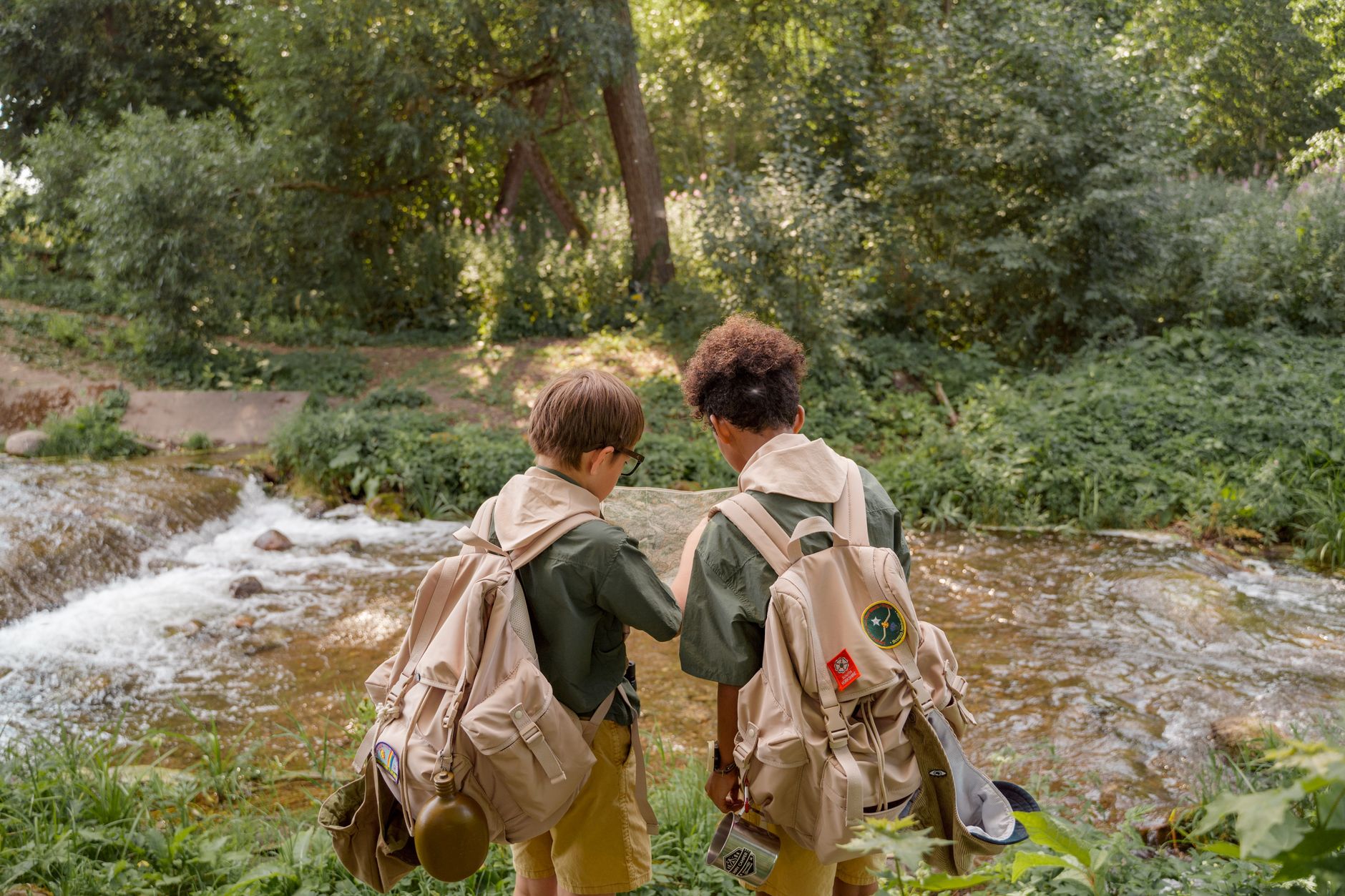
The outdoor industry is buzzing. With the TIME FOR POPULAR OUTDOOR AND ADVENTURE EXPO 2026 just months away, gear manufacturers are dropping new kit, guide services are expanding their offerings, and a fresh wave of aspiring adventurers is flooding local wilderness skills programs. That surge in demand? It’s creating a problem most people don’t talk about: not all wilderness skills courses are worth your time or money.
If you’ve typed “wilderness skills courses near me” into your search bar recently, you’ve probably felt overwhelmed. The results range from weekend bushcraft workshops to multi-week certification programs, from $150 community college classes to $3,000 “survival intensives” led by instructors with questionable credentials. Here’s the reality—proximity alone shouldn’t determine where you train. The right course depends on your actual goals, your current skill gaps, and whether you need certification for something specific (like guiding, SAR work, or international travel).
This guide cuts through the noise. I’ll walk you through how to evaluate local programs, spot the red flags, and find training that genuinely moves the needle for your outdoor life.
Why “Near Me” Matters Less Than You Think
Local accessibility is convenient, but it shouldn’t be your primary filter. I’ve seen people drive 90 minutes to a mediocre course when a transformative program was a 3-hour flight away—and cheaper. Before you lock into geography, ask yourself:
- What’s your actual timeline? Weekend warriors need different formats than someone planning a 2027 thru-hike
- Do you need recognized certification? Wilderness First Responder (WFR), Leave No Trace Master Educator, and NOLS alumni status carry weight; “certificate of completion” from an unknown school does not
- What’s your learning style? Some people thrive in lecture-heavy classroom settings. Others need hands-on, dirt-under-the-nails immersion
That said, excellent local programs do exist—and they offer advantages distance programs can’t match. You build ongoing mentor relationships. You train in the actual ecosystems you’ll explore later. And you connect with a local community of practice that persists long after the course ends.
The 5 Course Types You’ll Actually Find Locally
When you search “wilderness skills courses near me,” results typically cluster into five categories. Understanding these helps you match program to purpose:
1. Recreational Skills Workshops (1–3 days) Think fire-by-friction, shelter building, basic foraging. Often hosted by outdoor retailers, nature centers, or independent instructors. Cost: $150–$400. Best for: building confidence, testing interest before deeper commitment.
2. Wilderness Medicine Certification (2–10 days) WFA (Wilderness First Aid), WFR, WEMT. Taught by NOLS, SOLO, WMA, or Red Cross affiliates. Cost: $300–$900. Best for: anyone who leads trips, travels remotely, or wants employable skills.
3. Technical Skills Intensives (3–7 days) Navigation, rock rescue, swiftwater safety, avalanche education. Often tied to specific terrain or seasons. Cost: $400–$1,200. Best for: specialization before big trips or progressing into technical terrain.
4. Comprehensive Immersion Programs (1–8 weeks) Full-spectrum survival, bushcraft, or guiding programs. Think Tom Brown Tracker School, Aboriginal Living Skills School, or university field stations. Cost: $2,000–$8,000+. Best for: career pivots, deep competency, or life-reset experiences.
5. Hybrid/Community-Based Programs (variable) Local hiking clubs with skills series, scouting-adjacent programs for adults, indigenous-led traditional ecological knowledge courses. Cost: often donation-based or $50–$200. Best for: ongoing learning, cultural connection, budget-conscious learners.
Pro tip: Many excellent programs don’t SEO-optimize for “wilderness skills courses near me.” Search instead for your local [mountain rescue organization], [environmental education center], [state park naturalist program], or [indigenous-led outdoor initiative]. The best courses are often buried on page two.
Red Flags: When to Walk Away
The outdoor education space has minimal regulation. Anyone can call themselves a “survival instructor.” Here’s what should make you pause:
- No transparent instructor bios. Legitimate programs list certifications, relevant experience, and often background checks. Vague references to “military background” or “living off-grid for 20 years” aren’t credentials.
- Guaranteed outcomes. “You’ll survive anywhere after 3 days!” No. Competency takes years of deliberate practice in varied conditions.
- No risk management discussion. Every legitimate program addresses what happens if someone gets hurt, how they handle severe weather, and what insurance they carry. If they gloss over this, they haven’t thought deeply about safety.
- Gear sales pressure. The course shouldn’t feel like a multi-day infomercial for the instructor’s knife/brand/fire-starter.
- No alumni network or reviews you can verify. Ask to speak with a past student. Good programs facilitate this.
I once observed a “survival weekend” where the instructor demonstrated water purification by drinking directly from a stagnant pond—then told students they’d “build immunity.” Three participants got giardia. That instructor still ranks well for local search terms. Do your due diligence beyond the first page of Google.
Questions to Ask Before Registering
Call or email the program with these specifics. Their answers reveal quality fast:
- “What’s your instructor-to-student ratio during field portions?” Anything worse than 1:6 for technical skills is concerning. For medicine courses, 1:9 is standard maximum.
- “Can I see your curriculum outline?” Vague descriptions signal disorganized instruction. Specific learning objectives, progression logic, and assessment methods indicate professional design.
- “What gear do I need, and what’s provided?” Quality programs give detailed gear lists with rental options. They don’t assume you own $2,000 in equipment.
- “How do you handle students with [your specific concern]?” Physical limitations, dietary restrictions, anxiety in remote settings—responsiveness here predicts overall inclusivity.
- “What’s your cancellation and weather contingency policy?” Non-answers suggest financial instability or poor planning.
Making Your Training Stick: The Post-Course Practice Plan
Here’s where most people fail. They complete a course, feel inspired, then let skills atrophy. The half-life of unpracticed wilderness skills is approximately 6 weeks.
To maximize your investment:
- Schedule deliberate practice within 14 days. While memory is fresh, run your own navigation exercise, build a shelter, or practice patient assessment scenarios.
- Join or build a practice pod. 3–4 fellow students who meet monthly to drill skills. Accountability transforms theoretical knowledge into embodied competence.
- Teach someone else within 30 days. The act of teaching exposes gaps you didn’t know you had. Your “solid” fire-starting technique probably has hidden dependencies.
- Document your learning. Video yourself performing skills. Review with a critical eye. You’ll spot inefficiencies and safety shortcuts you’d otherwise miss.
The most successful graduates I know treat their first course as a foundation, not a finish line. They layer additional training—maybe a WFR refresher, a winter-specific module, a traditional skills workshop—building a personalized competency stack over 2–3 years.
Finding Wilderness Skills Courses Near Me That Actually Deliver
The search term “wilderness skills courses near me” is just your starting point, not your decision framework. The best program for you balances legitimate credentialing, appropriate challenge level, transparent safety practices, and a learning community you’ll want to stay connected to.
As the 2026 outdoor season accelerates toward expo season and peak enrollment periods, expect popular programs to fill 6–8 weeks in advance. Book early for summer and fall slots. But more importantly—book wisely. The right training doesn’t just teach you skills; it changes how you read landscapes, assess risk, and move through wild spaces with confidence that survives when conditions deteriorate.
Your local wilderness is waiting. Make sure the skills you bring to it were earned through instruction worth your time, money, and trust.