
Master Essential Wilderness Skills for Safe Backcountry Adventures
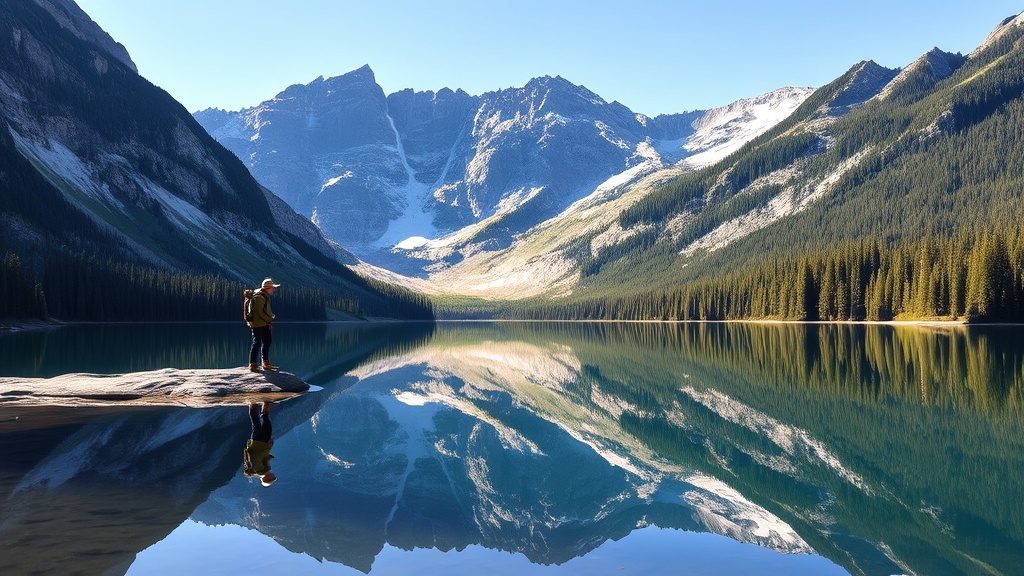
Master Essential Wilderness Skills for Safe Backcountry Adventures

Venturing into the wilderness demands respect, preparation, and genuine skill. Whether you’re planning a weekend backpacking trip or an extended backcountry expedition, mastering essential wilderness skills can mean the difference between an unforgettable adventure and a dangerous situation. This comprehensive guide will equip you with actionable knowledge to explore remote terrain safely and confidently.
Why Wilderness Skills Matter
Every year, search-and-rescue teams respond to countless outdoor emergencies—many entirely preventable through proper preparation and skill development. The wilderness doesn’t care about your experience level; it rewards preparation and punishes complacency.
Developing solid wilderness skills isn’t about becoming fearless. It’s about becoming competent. When you understand how to navigate, survive, and respond to challenges, you can focus on what truly matters: experiencing the beauty and freedom of nature.
Navigation: Finding Your Way in the Backcountry
Master Map and Compass Navigation
GPS devices fail. Batteries die. Your phone might not have service. Map and compass navigation remains the most reliable wilderness navigation method.
Start with these fundamentals:
- Orient your map using landmarks and terrain features
- Take bearings to identify your location
- Triangulate your position using visible peaks or structures
- Plan routes that account for elevation changes and natural obstacles
Spend time practicing in familiar areas before heading into remote wilderness. Practice during daylight hours, then challenge yourself in low-light conditions. This repetition builds muscle memory and confidence.
Develop Natural Navigation Skills
Understanding how to navigate without instruments is equally important. Study how shadows move throughout the day. Learn to recognize constellations. Understand how water flows downhill—streams lead to civilization.
Notice vegetation patterns. In northern hemisphere forests, moss tends to grow on the shaded north side of trees. Wind patterns, animal tracks, and sun position all provide navigation clues.
Fire Building and Management
Create Multiple Fire-Starting Methods
Never rely on a single fire-starting method. Carry at least three independent options:
- Waterproof matches in a sealed container
- Multiple lighters (quality butane lighters perform best)
- Ferro rod or flint striker (works when wet)
- Fire starter materials (dryer lint, fatwood, or commercial fire starters)
Understand Fire Building Principles
Successful fires require three components: tinder, kindling, and fuel. Tinder catches spark easily (dry leaves, bark shreds, cotton). Kindling sustains initial flame (pencil-thin sticks). Fuel maintains heat (thicker wood pieces).
Collect firewood well before darkness. Gather three times more than you think you’ll need. Look for dead, downed wood—never strip bark from living trees. Split wet wood to expose dry interior.
In wet conditions, focus on finding naturally sheltered wood under evergreen canopies where precipitation hasn’t fully soaked through.
Shelter Construction and Site Selection
Choose Strategic Camp Locations
Proper site selection prevents countless problems:
- Elevation: Camp on higher ground, away from cold air that pools in valleys
- Water access: Stay within reasonable distance, but never directly beside water
- Wind protection: Position shelters behind natural windbreaks
- Drainage: Avoid depressions where water collects during rain
- Wildlife safety: Camp away from animal trails and food sources
Build Emergency Shelter Quickly
If caught without gear, shelter becomes critical. Practice building debris shelters using fallen branches and natural materials. Create an insulated floor using pine needles or leaves—insulation beneath you matters more than above you.
Learn to construct lean-to shelters, debris huts, and snow caves (in winter conditions). Each technique uses different principles suited to specific environments.
Water Procurement and Purification
Locate Water Sources
Water equals survival. In most environments, following wildlife trails leads to water sources. Listen for running water. Pay attention to vegetation density—lush green growth indicates nearby moisture.
Purify Water Safely
Never assume water is safe. Carry multiple purification methods:
- Boiling: Most reliable—bring water to rolling boil for at least one minute
- Water filtration systems: Lightweight portable filters remove pathogens
- Chemical tablets: Lightweight backup option
- UV water purifiers: Effective but require batteries
Boiling remains the gold standard because it kills virtually all pathogens. In backcountry situations, this reliability is invaluable.
Emergency Response and First Aid
Carry Appropriate Medical Supplies
Create a custom first aid kit addressing potential injuries in your specific environment. Include:
- Blister treatment (frequent hiking injury)
- Pain relief medication
- Wound cleaning supplies
- Adhesive bandages and gauze
- Elastic wrap for sprains
- Tweezers for splinter removal
- Personal medications
Know Treatment for Common Backcountry Injuries
Hypothermia represents the most dangerous wilderness medical emergency. Watch for confusion, slurred speech, and poor coordination. Rewarm victims gradually using body heat and warm (not hot) fluids.
Dehydration sneaks up in cold weather when thirst signals diminish. Drink consistently regardless of thirst sensation. Monitor urine color—clear urine indicates proper hydration.
Altitude sickness affects high-elevation adventurers. Ascend gradually, hydrate adequately, and descend if symptoms develop.
Weather Assessment and Adaptation
Learn to Read Sky Signs
Understanding weather patterns prevents dangerous situations:
- High clouds moving rapidly indicate approaching weather changes
- Ring around the moon suggests rain within 24 hours
- Red sky at evening often precedes fair weather
- Strong wind direction changes signal storm approach
Check weather forecasts before departure, but understand forecasts aren’t perfect. Carry layers suitable for temperature swings of 20+ degrees.
Prepare for Seasonal Challenges
Winter travel requires additional skills: avalanche awareness, snow shelter construction, and winter-specific gear. Summer travel demands lightning safety knowledge and understanding of heat-related illness. Spring and fall bring rapid weather changes requiring adaptive clothing systems.
Practice and Continuous Improvement
Build Skills Progressively
Don’t learn wilderness skills during emergencies. Practice consistently:
- Take wilderness first aid courses
- Join outdoor clubs offering skills workshops
- Practice navigation regularly
- Camp in challenging conditions
- Mentor newer adventurers
Document and Reflect
Keep detailed trip journals. What worked? What didn’t? What would you do differently? This reflection accelerates learning and prevents repeated mistakes.
Conclusion
Mastering wilderness skills transforms your outdoor experience from nerve-wracking to exhilarating. These competencies—navigation, shelter building, fire craft, water management, first aid, and weather awareness—form the foundation of safe backcountry exploration.
Start with basic skills in controlled environments. Progress gradually to more challenging terrain and conditions. Respect the wilderness’s power while building confidence in your abilities.
The greatest adventures await those prepared to meet the wilderness on its terms. Begin developing these skills today, and you’ll unlock years of extraordinary experiences in nature’s most beautiful places.