
Eagle Watching Outdoor Gear Essentials: The Quiet-First Approach to Raptor Viewing in 2026
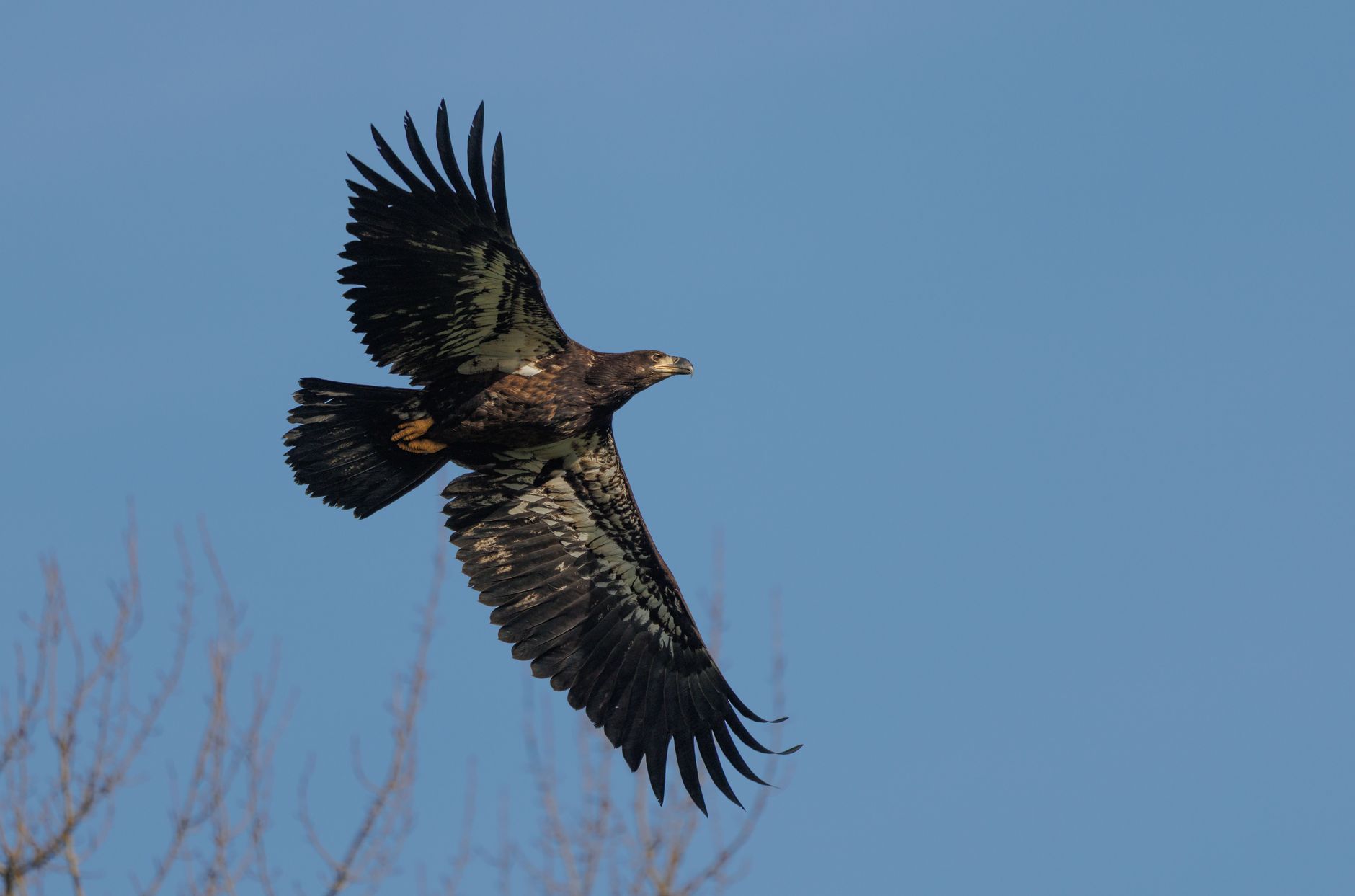
The adventure travel industry is pivoting hard toward “silent adventure” in 2026. According to the Adventure Travel Trade Association’s latest trend report, seven major shifts are reshaping how brands operate—and “noise-free immersion” sits at the top. Travelers now demand experiences that don’t disrupt the environments they’re paying to witness. For eagle watchers, this isn’t just a marketing angle. It’s the difference between observing a bald eagle tear into a salmon catch and watching an empty sky where the bird vanished at the sound of a Velcro pocket.
Eagle watching outdoor gear essentials have evolved beyond basic binoculars and a field guide. Today’s serious raptor observer needs equipment designed specifically for stealth, patience, and the unique challenges of tracking birds that can spot movement from two miles away and hear frequencies humans can’t. This guide cuts through generic birding lists to focus on what actually works when you’re hunkered in a blind at 5 AM, waiting for a golden eagle to return to its aerie.
Why Eagle Watching Demands Specialized Gear
Generic birding equipment assumes you’re walking slowly through woodland, spotting warblers at thirty feet. Eagle watching is a different discipline entirely. You’re often stationary for hours in exposed locations—riverbanks, cliff overlooks, reservoir edges—dealing with wind, glare, and extreme distance. The birds you’re tracking have 20/5 vision (four times sharper than human eyesight) and can detect ultraviolet light reflecting off your synthetic jacket from remarkable distances.
Your gear needs to solve three specific problems: visual acquisition at 500+ yards, thermal and movement concealment, and all-day physical comfort without fidgeting. The fidgeting part matters more than most beginners realize. Every time you adjust a stiff collar, unzip a pocket, or shift weight on noisy gravel, you’re broadcasting disturbance signals across the landscape.
The Optics Setup: Beyond “Good Binoculars”
Start with magnification that matches behavior, not budget. For eagle watching, 10x42 is the minimum viable configuration. Anything less leaves you squinting at distant silhouettes; anything more amplifies handshake and atmospheric haze beyond practical use. The Vortex Viper HD 10x42 has become the 2026 benchmark—not because it’s cheapest, but because its dielectric prism coating performs in the flat, harsh light of open water and winter skies where eagles concentrate.
Spotting scope protocol matters more than scope quality. Most observers set up too high, creating a visible silhouette against the sky. Your scope should be positioned behind natural cover, used while seated or prone. The Celestron TrailSeeker 65mm angled scope works well here because its lower eyepiece position keeps your body profile minimal. Pair it with a ground-level tripod like the Vanguard VEO 2 GO 204AB—taller tripods are wind sails and visibility beacons.
Don’t overlook a phone adapter for digiscoping. The 2026 trend toward documentation without disturbance means capturing behavioral evidence without approaching nests. The Phone Skope system lets you record feeding sequences, territorial displays, and band readings from distances that keep eagles relaxed in their routines.
The Silent Clothing System
Here’s where most eagle watchers fail before they lift their binoculars. Standard outdoor apparel is noisy. Nylon rustles, zippers clink, Velcro tears like a gunshot in still air. Eagle watching outdoor gear essentials must include a dedicated silent kit kept separate from your hiking wardrobe.
Wool is the foundational fabric. Merino base layers manage temperature during motionless hours without the synthetic sheen that reflects UV. For outer layers, look at wool-nylon softshells like the Filson Mackinaw Wool Field Jacket—substantially quieter than hardshells, naturally odor-resistant for multi-day observation sessions, and visually matte rather than glossy.
For legwear, waxed cotton or brushed synthetic pants outperform standard hiking trousers. The Fjällräven Vidda Pro Ventilated trousers use a brushed G-1000 fabric that moves silently and can be rewaxed for weatherproofing. Critical detail: remove or tape all zipper pulls, replace Velcro with snaps, and sew pockets shut if you don’t genuinely need them. Every potential noise source eliminated is a disturbance prevented.
Footwear completes the system. Sole flexibility matters more than sole support for blind-based observation. Stiff hiking boots create thumping vibrations through frozen ground. Muck Boots Arctic Sport or similar flexible neoprene designs let you shift weight silently. In warmer conditions, minimalist trail shoes with soft rubber compounds (Vibram Megagrip in softer durometers) work if you’re not traversing rough terrain to reach your position.
The Concealment and Comfort Kit
Eagles don’t smell well, but they see exceptionally. Your outline, movement, and contrast against background matter enormously. A portable blind isn’t overkill for serious observation—it’s standard practice. The Nitehawk ground blind pops to 28 inches, weighs under five pounds, and breaks up human silhouette without requiring tree attachment. For cliff or riverbank work where stakes won’t hold, the Helinox Chair Zero paired with a throw-over camouflage net creates a lower, more stable observation position than standing or sitting on wet ground.
Hand warmth without glove bulk is a specialized problem. Eagle watching requires fine focus adjustment, phone operation, and note-taking. The Outdoor Research Versaliner gloves use a removable liner system—wear the thin liner for dexterity, add the shell for warmth, and the trigger finger design exposes your focusing digit without removing the entire glove. For extreme cold, chemical hand warmers in a interior chest pocket keep core temperature up and let you warm fingers periodically without bulky mittens.
Sitting comfort determines observation duration. A inflatable pad with R-value above 4 (Therm-a-Rest NeoAir XTherm) prevents conductive heat loss into frozen ground. Combine with a collapsible sit-pad for additional insulation and moisture protection. The longer you can remain motionless and comfortable, the more natural behavior you’ll observe.
Documentation and Ethics: The 2026 Standard
The ATTA’s trend toward “regenerative travel” directly impacts eagle watching ethics. Disturbance during nesting season (varies by region, typically January–July for bald eagles) can cause nest abandonment, chilled eggs, or premature fledging. Your gear should support observation without intrusion.
GPS logging with timestamped waypoints helps you track observation patterns without repeatedly returning to the same spot. The Garmin eTrex 32x runs 25 hours on AA batteries, works in temperatures that kill phone batteries, and creates records that contribute to citizen science databases if you choose to share.
A voice recorder (Olympus WS-852 or phone app with airplane mode engaged) lets you narrate behavior in real-time without looking down to write. This maintains visual contact and reduces movement. Later transcription creates detailed field notes that improve your observational skills and contribute to regional raptor monitoring programs.
Carry a physical copy of local eagle viewing regulations. Many states now require 330-foot minimum distances from active nests, with specific closures around known sites. Having printed rules demonstrates compliance if questioned and reminds you that your presence is a privilege dependent on responsible behavior.
Conclusion: Investing in Presence Over Possessions
Eagle watching outdoor gear essentials aren’t about accumulating expensive equipment. They’re about removing barriers between you and genuine encounter. The quietest jacket, the steadiest scope, the most comfortable sitting position—these don’t impress fellow observers. They simply let you become part of the landscape long enough that eagles continue living around you rather than leaving because of you.
The 2026 shift toward silent, immersive adventure travel isn’t a trend to exploit for social media. For eagle watchers, it’s a return to fundamentals: patience, humility, and the understanding that some experiences require you to become smaller, quieter, and less significant than the world you’re entering. Gear up accordingly. The eagles are waiting, and they won’t announce their arrival.