
Climate Adaptive Outdoor Clothing Buying Guide: How to Build a System That Thinks Like the Weather
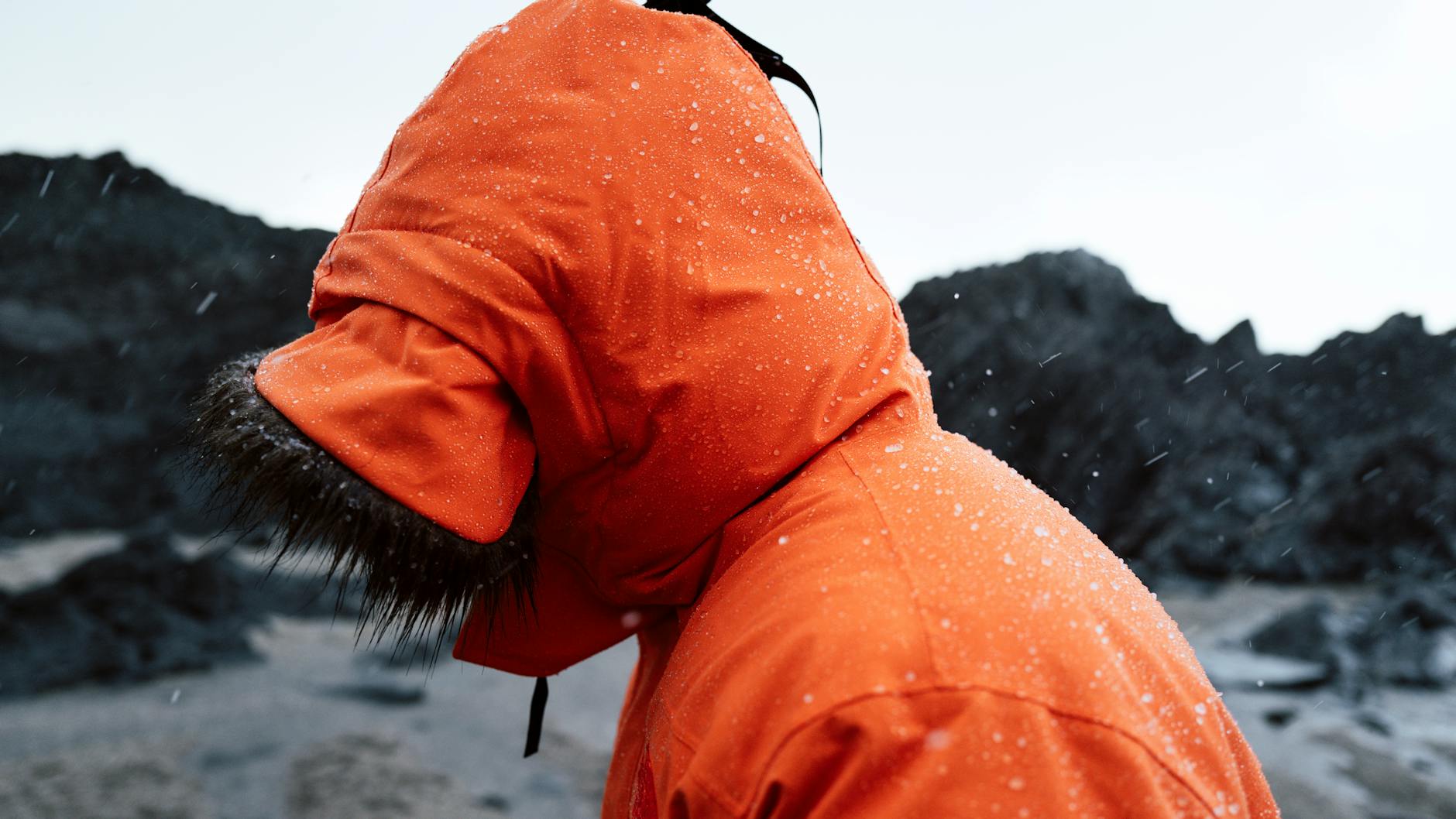
The outdoor industry just spent the last eighteen months obsessing over “adventure travel 2026” forecasts—and here’s what actually stuck. Brands aren’t just chasing lighter packs or prettier colors anymore. They’re racing to solve the real problem: clothing that adapts faster than the weather changes on a mountain ridge. If you’ve ever started a hike in misty 50°F shade and finished in 80°F sun-baked exposure, you know the gap between “layering theory” and “layering reality.” This climate adaptive outdoor clothing buying guide closes that gap with gear that actively responds to temperature, moisture, and exertion shifts—not just blocks them out.
What “Climate Adaptive” Actually Means (And What It Doesn’t)
Let’s kill the marketing fluff first. True climate adaptive clothing isn’t a jacket with extra zippers. It’s engineered around three response mechanisms: thermoregulation (how heat moves in and out), moisture vapor management (not just waterproofing), and mechanical adaptability (stretch, venting, or construction that changes with conditions).
Here’s the distinction that matters. Traditional layering says: carry more pieces, swap them as needed. Climate adaptive systems say: wear fewer pieces that modulate themselves. Think Phase Change Materials (PCMs) originally developed for NASA—microcapsules in fabric that absorb excess body heat when you’re sweating, then release it back when you cool down. Or bicomponent knits that open their structure when moisture builds up, creating micro-vents without you touching a zipper.
What to look for on labels:
- 37.5 Technology (Cocona-derived activated carbon): speeds vapor transfer before liquid sweat forms
- Polartec NeoShell or FutureLight (The North Face): air-permeable waterproofing that breathes during exertion, not just after
- Merino-Nylon hybrids (Icebreaker RealFleece, Smartwool Intraknit): wool’s moisture-wicking paired with synthetic resilience and shape retention
- Ventile or EtaProof cotton: densely woven long-staple cotton that swells when wet to seal pores—old-school adaptive, still relevant for dry-cold scenarios
Avoid anything calling itself “adaptive” that just means “has pit zips.” That’s feature-stacking, not system thinking.
The 5-Piece Responsive System (No Matter Your Budget)
You don’t need a closet overhaul. You need five intentional pieces that talk to each other. I’ve guided in the Rockies and the Appalachians with variations of this core; the principles hold.
1. The Baselayer That Reads Your Skin
Your next-to-skin layer should work before you notice you’re sweating. Merino blends in the 150-200 gsm range with body-mapped construction (thinner knit under arms, denser over core) adapt without you doing anything. Budget pick: Decathlon’s Trek 500 Merino ($35). Performance pick: Patagonia Capilene Air ($129), which uses a unique lofted merino-polyester grid that creates variable insulation density across the garment.
Key spec: Look for >35% merino content with synthetic reinforcement. Pure merino wicks well but collapses structurally when saturated; the blend maintains air channels.
2. The Midlayer With an Off Switch
Fleece isn’t dead—it’s just evolved. The critical upgrade is active insulation: materials that insulate while moving, not just while static. Polartec Alpha or PrimaLoft Active are non-woven synthetics that don’t require a tightly woven face fabric, so they breathe continuously. Compare to standard puffy jackets, which trap heat until you stop and vent manually.
My field test: On a 14-mile Grand Teton approach in October, I wore a Rab Alpha Flash (Alpha Direct) from 25°F dawn to 55°F afternoon. Never removed it. Never overheated. Traditional fleece would have me soaked; a down midlayer would have come off by mile three.
3. The Shell That Breathes Both Ways
This is where 2026’s material science shows most. “Waterproof-breathable” used to mean one-directional: vapor out, nothing in. New electrospun membranes (FutureLight, Gore-Tex Shakedry’s construction evolution) create nanofiber webs with 80%+ air permeability while maintaining waterproofness. Translation: they respond to pressure differentials—when you’re working hard, hot moist air escapes faster; when you’re static, they seal tighter.
Practical note: For humid climates (Eastern US, Pacific Northwest), prioritize air permeability over absolute waterproof ratings. A jacket that breathes at 10,000 g/m²/24hrs but has zero air permeability will still wet out from inside in 70°F drizzle.
4. The Variable Bottom
Legs get ignored in layering discussions. Bad move—muscle exertion generates massive heat, and legs have fewer thermoregulation nerve endings (you notice cold hands before cold thighs). Climate adaptive bottoms mean zip-off isn’t the only answer. Look for:
- Schoeller softshells with 3XDRY treatment: face repels water, back absorbs and spreads vapor
- Woven-stretch hybrids like prAna Stretch Zion or Outdoor Research Ferrosi: nylon’s durability with spandex’s movement, no membrane to trap heat
- Leg venting via 3/4-length side zips (rare but worth hunting: Montane Terra Pants)
5. The Insurance Piece: Packable Extremity Adaptation
Hands, head, feet. These radiate heat fastest and adapt slowest. Your insurance isn’t thicker gloves—it’s modular extremity systems. A buff-weight merino beanie that stuffs to nothing. Liner gloves (merino or thin synthetic) that work alone or under shells. Gaiter-compatible trail runners instead of boots for most three-season conditions—less material to saturate, faster drying.
The Sustainability Angle Nobody’s Talking About
Here’s where the 2026 trend reports actually intersect with smart buying. The most sustainable garment is the one you wear across more conditions, more days. A climate adaptive system reduces packed volume by 30-40% versus traditional layering for equivalent comfort range. That means less gear manufactured, less shipping weight, less “quiver” accumulation.
But verify claims. Bluesign or OEKO-TEX certification matters more than recycled-content marketing. PCMs and phase-change treatments involve additional chemical processing—prioritize brands transparent about their supply chain (Norrøna’s public factory lists, Patagonia’s Footprint Chronicles). And consider longevity: adaptive features fail if face fabrics delaminate. Reparability (zipper access, standard fabrics, company repair programs) extends functional life beyond the trend cycle.
Field Testing Your System: The 4-Hour Rule
Before trusting any climate adaptive claim, simulate a real day. Wear your system for four continuous hours with variable exertion: 30 minutes brisk walking to generate heat, 10 minutes static to test retention, repeated. Note when you want to adjust layers. True adaptive gear pushes that “want” threshold later or eliminates it.
Red flags during testing:
- Cold spots that persist despite overall warmth (material inconsistency)
- Damp cling after stopping (poor vapor management, not just sweat volume)
- Wind penetration at seams or through “breathable” panels (construction gaps)
Conclusion
Building a climate adaptive outdoor clothing system isn’t about buying the newest membrane or the most expensive merino. It’s about selecting pieces that reduce your decision fatigue on the trail—so you’re thinking about route and safety, not whether to stop and delayer again. This climate adaptive outdoor clothing buying guide gives you the framework: skin-responsive baselayers, active midlayers, air-permeable shells, variable bottoms, and modular extremities. Test hard, buy once, and let your gear handle the microclimate while you handle the adventure. The weather’s only getting more unpredictable. Your clothing should be the one thing you don’t have to predict.