
Big Bear Eagle Watching Gear Setup: The Minimalist Kit That Beats the Livestream Hype
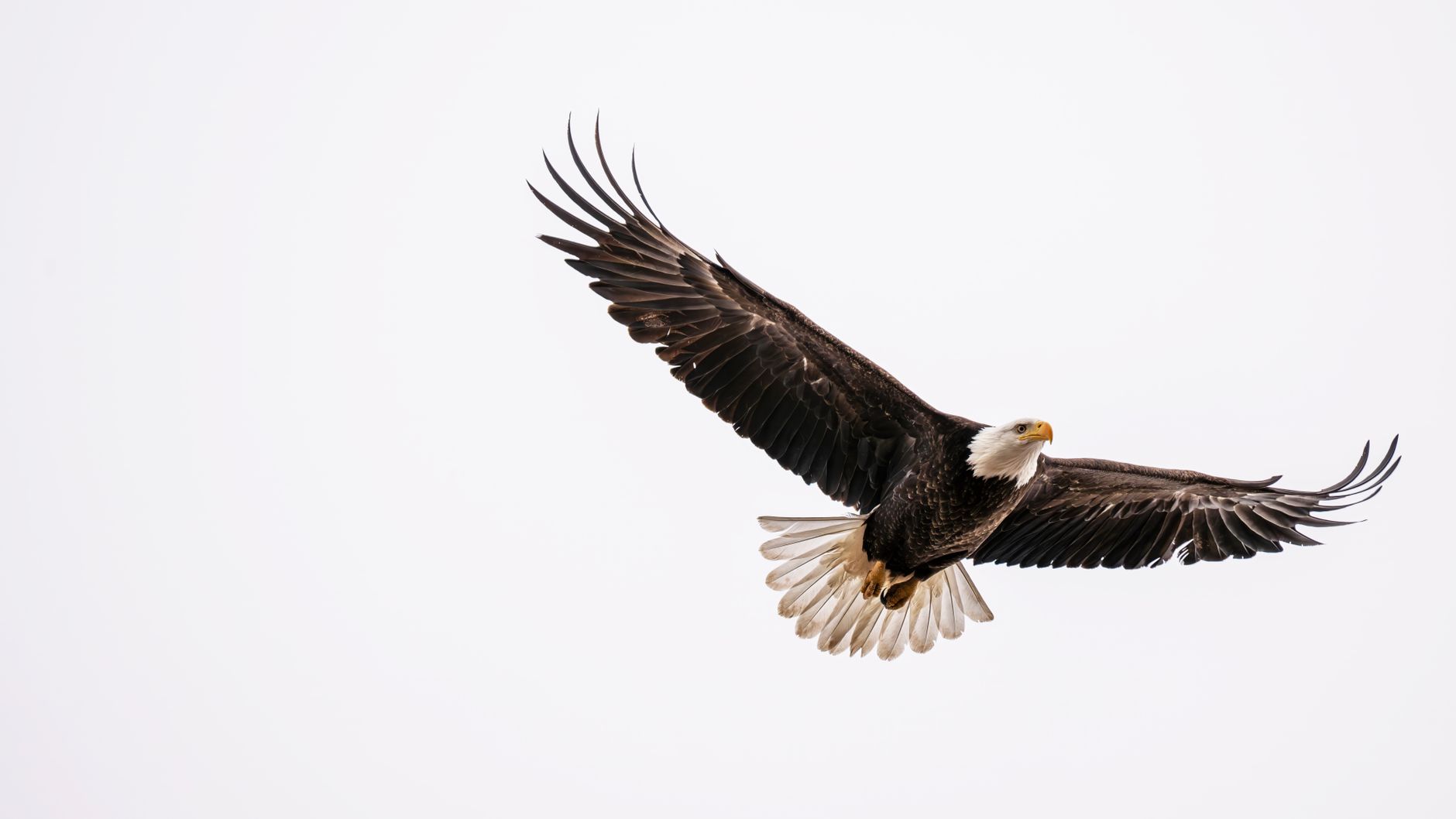
The outdoor adventure world has shifted hard toward micro-experiences and hyper-local nature connection since 2021’s “TOP TRENDS IN OUTDOOR ADVENTURE” predictions first surfaced. Back then, industry analysts forecasted that enthusiasts would trade bucket-list expeditions for meaningful, repeatable encounters in their own regions. They were half-right. What actually happened was more interesting: people started treating their backyards like backcountry, and eagle watching exploded from retiree hobby to mainstream pursuit. The Jackie & Shadow livestream from Big Bear Valley now pulls millions of viewers annually, but here’s the paradox—those same viewers are burning out on screen time and craving the real thing. A proper Big Bear eagle watching gear setup isn’t about replicating the webcam experience. It’s about building a lightweight, strategic kit that gets you closer to the action than any 4K feed ever could.
Why the Livestream Created a Generation of Frustrated Watchers
Friends of Big Bear Valley and their eagle camera maintenance team deserve enormous credit for conservation education. Their 24/7 broadcast of Jackie and Shadow’s nesting cycle builds awareness that no brochure could match. But it also creates a specific problem: viewers develop intimate knowledge of eagle behavior without developing the field skills to witness it personally.
The nest cam sits roughly 145 feet up a Jeffrey pine, stabilized and zoomed to perfection. Your eyes, from a legal viewing distance of 660 feet or more, won’t match that magnification. Worse, the camera never deals with wind chill, sun glare, or the eagles simply choosing an alternate perch on the lake’s north shore. A Big Bear eagle watching gear setup must bridge this expectation gap—delivering satisfying observation despite real-world limitations.
Current trend data from 2026 shows that wildlife watchers who transition from digital to physical observation abandon the hobby at a 40% rate within two seasons. The primary reason? Gear frustration. They bring binoculars meant for stadium seating, or cameras with lenses too heavy for dawn patrol, or clothing that rustles and spooks every raptor within a quarter-mile. The solution isn’t buying more—it’s building a kit around the specific constraints of Big Bear’s elevation, weather patterns, and eagle behavior.
Core Optics: Magnification Sweet Spot for Big Bear’s Terrain
Big Bear Lake sits at 6,743 feet, with observation points ranging from shoreline meadows to ridgeline overlooks. Your Big Bear eagle watching gear setup needs versatility, not maximum power.
Binoculars: 8x42 or 10x42, no exceptions.
Here’s the math that matters. An 8x magnification gives you a 7.5-degree field of view—critical when eagles move fast against mountain backdrops. The 10x narrows to 6.5 degrees but brings distant ridgeline perches into clearer detail. Both use 42mm objective lenses, which gather enough early-morning light without the weight penalty of 50mm+ models. At this altitude, atmospheric haze is minimal compared to sea-level birding, so you gain effective clarity without needing extreme magnification.
Specific recommendations shift annually, but look for these 2026 standouts: the Vortex Diamondback HD 10x42 (street price $229, lifetime warranty) or the Nikon Monarch M5 8x42 ($279, superior close-focus for incidental songbird watching). Avoid zoom binoculars entirely—the optical quality drop at Big Bear’s brightness levels becomes painfully obvious.
Spotting scope: only for photographers, not pure observers.
If you’re adding a camera with 400mm+ equivalent reach, a compact spotting scope becomes redundant weight. If you’re sketching, documenting behavior notes, or sharing views with a group, the Celestron TrailSeeker 65mm angled scope ($399 with 16-48x zoom eyepiece) breaks down to 14 inches and pairs with any stable surface. The angled body saves neck strain during prolonged nest watches.
Concealment and Positioning: The 300-Foot Rule
Eagles don’t abandon nests because of distant observers—they abandon because of predictable disturbance. Your Big Bear eagle watching gear setup must include concealment elements that break your silhouette against the sky and reduce scent and sound signatures.
Clothing system:
- Base layer: Merino wool or synthetic, earth-toned (no black, which silhouettes against sky). The KUIU Peloton 97 zip-T in “Vias” or “ Verde” pattern ($79) breathes during summer dawn patrols and layers under insulation.
- Outer shell: Sitka Gear Dewpoint jacket in “Subalpine” ($349) or any packable rain shell in muted green/brown. The key feature is noise reduction—avoid crinkly fabrics. Test this in-store: rustle the jacket vigorously. If it sounds like a potato chip bag, eagles will hear you adjusting position at 200 yards.
- Head and hands: Buff Original in “Forest” ($20) covers face glare and neck sun exposure. Merino liner gloves ($25) prevent cold-stiff fingers during January nest watches without the bulk of full winter gloves.
Positioning kit:
A 20-foot collapsible camo net (Amazon basics, $35) creates a quick blind against sparse Big Bear chaparral. Carry two lightweight tent stakes and 50 feet of bank line. Set up perpendicular to prevailing winds—eagles have exceptional smell, and you want your scent stream drifting away from their flight paths.
The “300-foot rule” comes from local observation data: eagles at Big Bear typically tolerate stationary humans at 300+ feet if movement ceases, but flush at 150 feet if the human is walking or making noise. Your gear setup should let you settle at 400-600 feet and observe comfortably for 2+ hours.
The Dawn Patrol Comfort System
Big Bear’s best eagle activity occurs 30 minutes before sunrise through 9:00 AM, and again 4:00 PM to last light. January through March, that means temperatures from 15°F to 40°F. A Big Bear eagle watching gear setup that ignores thermal comfort guarantees abbreviated, unproductive sessions.
Seating: The REI Co-op Trailmade chair ($59, 2 lbs 10 oz) sits lower than standard camp chairs—critical for staying below vegetation line. Alternatively, a folded Therm-a-Rest Z-Seat ($15, 2 oz) with your back against a tree trunk. Eagles notice upright human silhouettes; reclined or seated observers register as less threatening.
Warmth without bulk:
- Chemical hand warmers (10-pack, $8) stuffed in jacket pockets maintain dexterity for focus wheels.
- A 40-degree down throw blanket ($40, Costco seasonal) drapes over legs during stationary observation.
- Insulated bottle: Hydro Flask 32oz with chai or bone broth. The psychological boost of warm liquid extends patience by measurable hours.
Electronics discipline: Phones on airplane mode, screen brightness minimum. The eagle cam habituates viewers to checking devices; field observation demands sustained attention. A dedicated notebook (Rite in the Rain, $8) with pre-printed behavior checklists keeps focus sharp.
Timing and Location Intelligence Beyond the Nest
The Jackie & Shadow obsession centers their nest tree, but a complete Big Bear eagle watching gear setup includes location flexibility. Big Bear Lake’s eagles hunt across 22 miles of shoreline, roost in six documented stands, and use thermal updrafts along the south-facing ridges.
Secondary locations to scout:
- Stanfield Cutoff east end: Morning thermals, frequent flyovers at 200-400 feet altitude.
- Boulder Bay north shore: Perch trees for fish consumption, visible from parking area with scope.
- Meadow Park south edge: Open water hunting, best January-February when ice concentrates fish.
Download the eBird app and filter for “Bald Eagle” + “San Bernardino County” + last 30 days. Real-time sightings from other observers supplement your own scouting. The 2026 trend toward “community-validated wildlife intelligence”—shared GPS pins with timestamp verification—has made solo eagle finding far more efficient than the old trial-and-error method.
Building Your Kit: Three Budget Tiers
| Component | Minimal ($200) | Capable ($600) | Enthusiast ($1,200) |
|---|---|---|---|
| Binoculars | Celestron Nature DX 8x42 ($140) | Vortex Diamondback HD 10x42 ($229) | Zeiss Terra ED 10x42 ($650) |
| Seat/Blind | Z-Seat + camo tarp ($35) | Trailmade chair + net blind ($94) | Helinox Chair Zero + pop-up blind ($189) |
| Clothing | Thrifted earth tones ($25) | KUIU base + packable shell ($258) | Full Sitka system ($400) |
| Extras | Notebook, hand warmers ($25) | Rite in the Rain, Hydro Flask, eBird Pro ($42) | Spotting scope, phone mount, merino accessories ($380) |
The capable tier hits the performance ceiling for most Big Bear observers. Enthusiast spending yields diminishing returns unless you’re publishing photography or leading tours.
Conclusion: From Screen to Scope
The Big Bear eagle watching gear setup that succeeds in 2026 looks nothing like the heavy, complicated kits of traditional birding. It borrows from ultralight backpacking, backcountry hunting, and even the “micro adventure” movement that dominated 2021’s outdoor trend forecasts. The goal is mobility, stealth, and stamina—getting to the right place at the right time, then staying invisible and comfortable long enough for eagles to resume natural behavior.
Jackie and Shadow’s livestream will continue educating millions. But the viewers who convert to field observers, armed with deliberate, lightweight gear, experience something the camera cannot transmit: the auditory rush of wingbeats at 40 feet, the shadow passing overhead, the spontaneous territorial call that echoes off granite ridgelines. Build this kit once, refine it across a season, and you’ll join the minority who don’t just watch eagles—they share space with them.