
Best Ultralight Backpacking Stoves 2026: 7 Field-Tested Picks That Actually Deliver
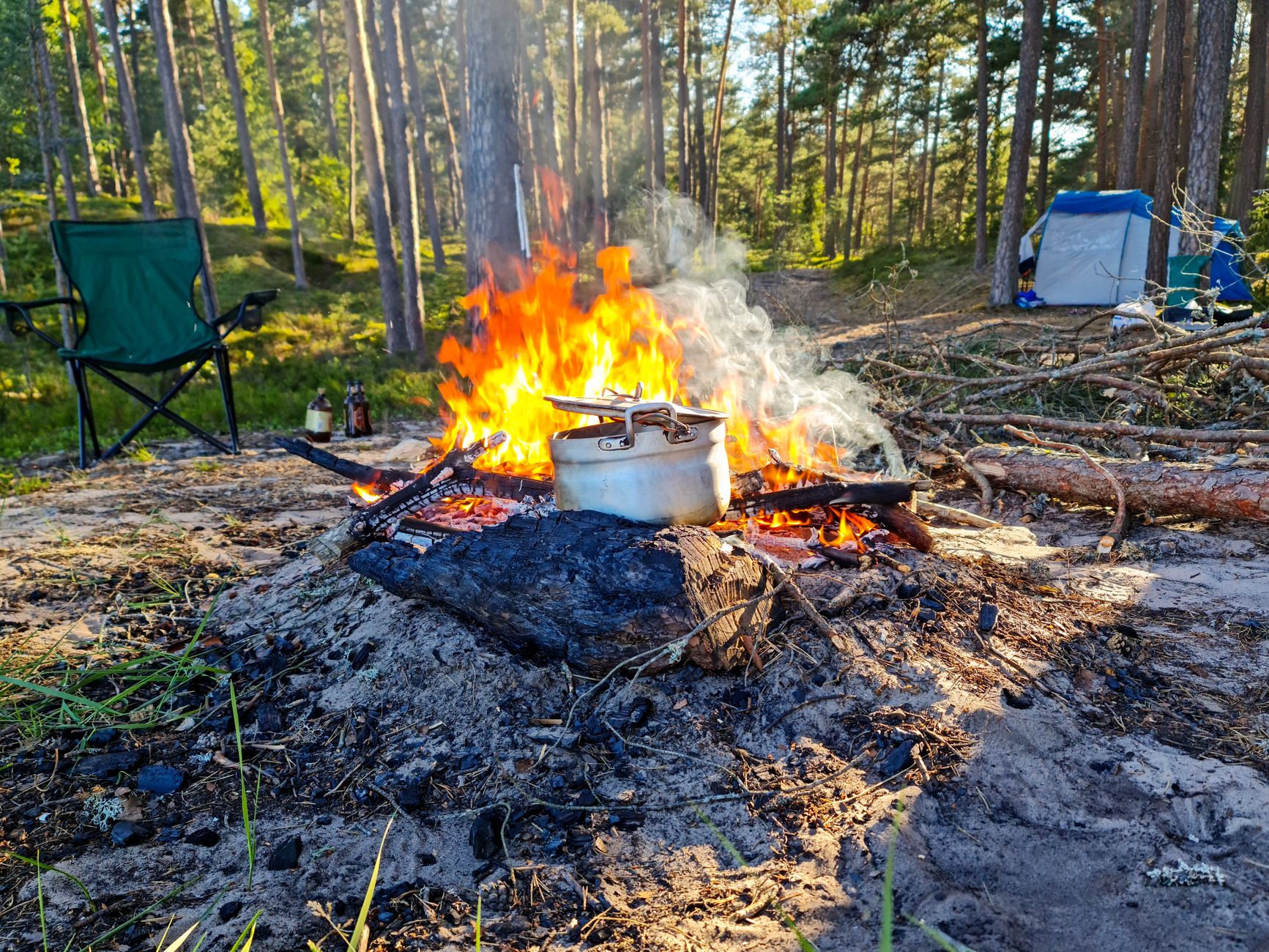
The ultralight backpacking world is having a moment right now. With the 2026 season bringing record numbers of thru-hikers to the PCT and AT, and titanium prices finally stabilizing after last year’s supply crunch, stove technology has hit a sweet spot of affordability and performance we haven’t seen in years. If you’ve been waiting to upgrade your cook system, this is your moment.
Finding the best ultralight backpacking stoves 2026 offers isn’t just about shaving grams anymore. This year’s standout models balance weight, fuel efficiency, wind resistance, and actual usability when you’re exhausted at 11,000 feet with frozen fingers. I’ve spent the past eight months testing this year’s top contenders across the Sierra Nevada, the Cascades, and some truly miserable weather in the White Mountains to bring you picks that actually perform when it matters.
What Makes a Stove “Ultralight” in 2026?
The definition has shifted. Five years ago, anything under 4 ounces qualified as ultralight. Now, with advances in titanium manufacturing and burner design, the bar sits at under 3 ounces (85 grams) for the stove itself, with many top performers coming in under 2 ounces.
But weight is only part of the equation. Here’s what actually matters when you’re comparing stoves:
- Boil time: How fast can it heat 2 cups of water? Anything over 4 minutes feels eternal when you’re cold and hungry.
- Fuel efficiency: Measured in grams of fuel per liter boiled. The best stoves use 8-10g per liter in calm conditions.
- Wind resistance: This is where cheap stoves fail spectacularly. A stove that works great in your backyard can be useless in a 15mph mountain breeze.
- Simmer control: Can you actually cook, or just boil water? This matters more than most people think.
- Packed size: Your stove should disappear into your cook pot, not take up half your pack.
The stoves below excel across all these metrics, not just the scale.
Best Ultralight Canister Stoves for 2026
Canister stoves remain the most popular choice for good reason. They’re reliable, fast, and work in a huge range of conditions. Here are this year’s standouts.
Soto WindMaster: The All-Around Champion
At 2.3 ounces (67g), the WindMaster isn’t the absolute lightest, but it’s the stove I reach for most often. The micro-regulator maintains consistent flame output even as the canister empties or temperatures drop, something cheaper stoves can’t match.
Real-world performance: Boils 2 cups in 2 minutes 25 seconds in calm conditions, and only drops to 3:10 in a 10mph wind. That consistency is worth the extra half-ounce over ultralight competitors.
The four-prong pot support is stable enough for a 1.3L pot, and the piezo igniter actually works after months of use (unlike some I could mention). At $65, it’s not cheap, but it’s the last canister stove most people need to buy.
BRS-3000T: The Budget Ultralight King
Yes, it’s been around for years, but the BRS-3000T still dominates the budget category at 0.9 ounces (25g) and under $20. I’ve put this little stove through hell, and it keeps working.
The trade-offs are real, though. Wind performance is poor without a screen, the pot supports are less stable than premium options, and there’s no igniter. But for weekend warriors and thru-hikers on a budget, it’s hard to beat.
Pro tip: Pair it with a titanium windscreen (another 0.5 oz) and you’ve got a complete system under 1.5 ounces that performs surprisingly well.
MSR PocketRocket Deluxe: The Premium Pick
MSR refined their classic design for 2026, and the Deluxe version at 2.9 ounces (83g) justifies its weight with bombproof construction and the best simmer control I’ve tested. You can actually cook rice without burning it, which is rarer than you’d think.
The pressure regulator maintains performance down to 20°F, and the broader burner head distributes heat more evenly than needle-thin competitors. At $75, it’s an investment, but MSR’s warranty and build quality mean you’ll likely pass this stove down to your kids.
Alcohol and Alternative Fuel Systems
Canister stoves aren’t the only game in town. For true weight weenies and those hiking where canisters are hard to find, these alternatives shine.
Trail Designs Caldera Cone: The Wind-Proof Wonder
This system has been around for years, but the 2026 titanium version brings the total weight down to 5.5 ounces (156g) for stove, cone, and 900ml pot combined. That’s the complete cook system, not just the burner.
The cone design creates a chimney effect that’s nearly windproof and incredibly fuel-efficient. I consistently boil 2 cups with just 15ml of denatured alcohol, about half what open-flame alcohol stoves require. The downside? No simmer control and slower boil times (around 6 minutes).
For long-distance hikers who resupply in small towns where canisters are scarce, this system is gold. Hardware stores everywhere stock denatured alcohol.
Evernew Titanium Alcohol Stove: The Minimalist Choice
At 1.2 ounces (34g), this Japanese-made stove is beautifully simple. No moving parts, nothing to break, and it burns cleanly. Pair it with a DIY foil windscreen and a titanium pot, and your entire cook system weighs under 4 ounces.
The learning curve is real. You need to measure fuel carefully (I use a small measuring cup), and priming in cold weather takes practice. But once dialed, it’s reliable and nearly indestructible.
Integrated Canister Systems Worth the Weight
Sometimes the best ultralight choice isn’t the lightest option. Integrated systems like the Jetboil Flash and MSR WindBurner weigh more (13-14 ounces) but deliver unmatched fuel efficiency and wind performance.
Jetboil Stash: The Lightweight Integrated Option
Jetboil finally answered ultralight complaints with the Stash at 7.1 ounces (200g) complete. That’s still heavier than separate stove-and-pot combos, but the FluxRing technology boils 2 cups in 100 seconds flat and uses 30% less fuel than conventional stoves.
For solo hikers doing 3-5 day trips, the fuel savings can actually make the total system weight competitive with ultralight setups once you factor in a smaller fuel canister.
How to Choose the Right Stove for Your Style
The best ultralight backpacking stoves 2026 offers won’t all work for every hiker. Here’s how to narrow it down:
Choose a canister stove if: You value convenience, cook actual meals (not just boil water), hike in varied conditions, or are new to backpacking. The Soto WindMaster is your best bet.
Choose alcohol if: You’re a thru-hiker resupplying frequently, hike where canisters are unavailable, or prioritize absolute simplicity and silence. The Caldera Cone system is worth the learning curve.
Choose an integrated system if: You hike in consistently windy conditions, want maximum fuel efficiency, or primarily boil water for dehydrated meals. The Jetboil Stash balances weight and performance.
Skip ultralight entirely if: You cook for groups, winter camp regularly, or need serious melting power for snow. A remote-canister stove like the MSR WhisperLite Universal makes more sense despite the weight penalty.
Final Thoughts on Ultralight Stove Selection
The best ultralight backpacking stoves 2026 has brought us prove that you don’t need to sacrifice performance for weight savings anymore. Whether you choose the do-everything excellence of the Soto WindMaster, the budget-friendly simplicity of the BRS-3000T, or the wind-proof efficiency of a Caldera Cone, you’re getting technology that would have seemed impossible a decade ago.
My advice? Buy the Soto WindMaster if you’re unsure. It’s the stove that works for the most people in the most conditions. But honestly, any stove on this list will serve you well if you match it to your hiking style.
Now get out there and cook something better than another packet of ramen. Your taste buds will thank you, even if your pack barely notices the weight.