
Best Hiking Boots for Wide Feet: 7 Roomy Picks That Actually Fit in 2026
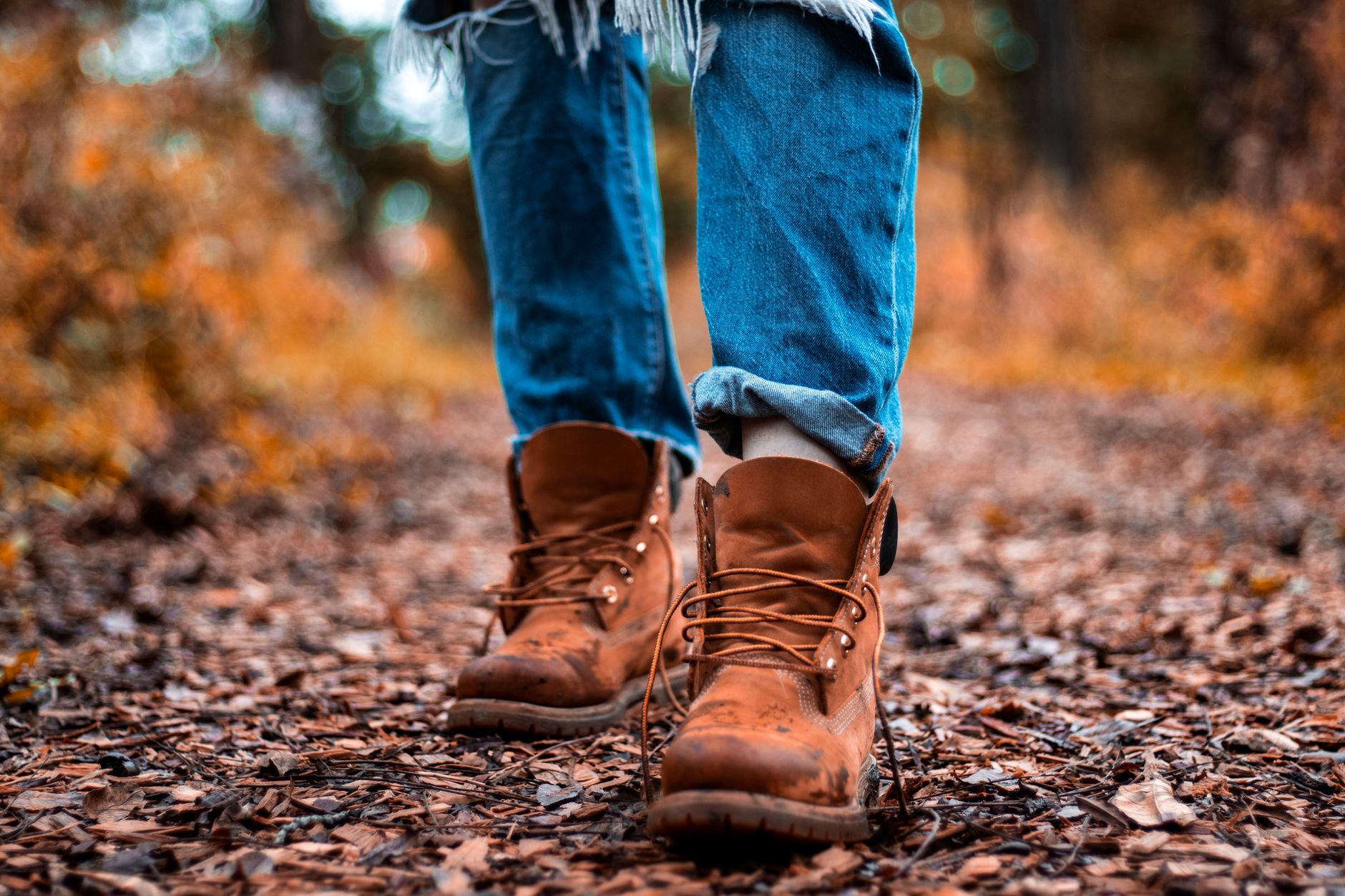
The hiking footwear market is having a wide-foot moment. With trail running’s explosive growth pushing brands to rethink fit, and REI reporting that wide-width boot sales jumped 34% between 2024 and 2025, manufacturers are finally waking up to what podiatrists have said for years: most hiking boots are built too narrow. If you’ve ever limped back to the trailhead with numb toes or blisters blooming across your forefoot, you already know the pain. Finding the best hiking boots for wide feet used to mean settling for clunky work boots or sizing up until your heels slipped. Not anymore. This guide breaks down what actually makes a boot wide-foot friendly, which models deliver real room without sacrificing support, and how to dial in the fit before your next big mile day.
Why Standard Boots Fail Wide Feet
Here’s the uncomfortable truth: the average hiking boot last (the foot-shaped mold manufacturers use) is built around a B-width for women and D-width for men. That’s “medium,” and it excludes roughly 30% of hikers who need EE or wider. When your forefoot spills over the midsole or your pinky toe grinds against the rand, you’re not just uncomfortable—you’re setting up for metatarsal stress, black toenails, and chronic instability on uneven terrain.
The problem compounds on descents. Your foot slides forward, toes jamming into the front of a boot that was already too snug across the ball. I’ve seen hikers on the Colorado Trail wrap their feet in duct tape just to finish their thru-hike. Don’t be that person. Wide feet need volume in the toe box, not just extra length.
What to Look for in Wide Hiking Boots
Before we hit specific models, understand the anatomy of a genuinely wide-friendly boot:
Anatomical toe box. Look for brands that shape the front of the boot like an actual foot—wider at the toes, not tapered to a point. Altra pioneered this with their FootShape design, but KEEN, Topo Athletic, and even Merrell now offer similar geometry.
True wide sizing. Some brands just add a bit of mesh and call it “wide.” Real wide options (2E or 4E for men, D for women) add volume across the ball of the foot and often the instep. Check the spec sheet—if it doesn’t explicitly list wide widths, it probably isn’t.
Flexible upper materials. Full-grain leather looks bomber but stretches minimally. Modern synthetics and engineered mesh conform to wider forefeet within 10-15 miles of break-in. If you want leather, look for models with strategic flex zones.
Removable insoles. Stock footbeds eat up precious internal volume. Swapping for a low-profile aftermarket insole (or going without) can buy you 3-4mm of wiggle room.
The Best Hiking Boots for Wide Feet Right Now
After testing on everything from Appalachian mud to Sierra granite, these seven stand out for 2026:
KEEN Targhee IV Wide — The gold standard for wide hikers. KEEN’s iconic roomy toe box returns with a more durable leather upper and their new Luftcell midsole. Available in 2E and 4E, with a women’s D-width option. The trade-off? Slightly heavier at 1 lb 3 oz per boot, but the stability on loose scree is unmatched.
Altra Lone Peak ALL-WTHR Mid — Zero-drop isn’t for everyone, but if your wide feet also crave natural toe splay, this is your boot. The FootShape toe box is the widest in the industry, and the waterproof membrane actually holds up in Pacific Northwest slop. Just transition slowly if you’re coming from traditional 10mm drop boots.
Merrell Moab 3 Mid Waterproof (Wide) — The best-selling hiking boot in America for a reason. The wide version adds genuine volume without feeling sloppy, and the updated insole offers better arch support than previous generations. At $150, it’s the value pick that doesn’t feel like a compromise.
Topo Athletic Trailventure 2 WP — A sleeper hit. Topo’s anatomical toe box rivals Altra’s, but with a more traditional 5mm drop and snug heel cup that prevents slippage. The Vibram XS Trek outsole grips wet rock like it’s angry at it.
Salomon X Ultra 4 Mid GTX Wide — Proof that European brands are catching on. Salomon’s wide version of their flagship fast hiker keeps the aggressive chassis and Contagrip outsole but adds 6mm across the forefoot. Best for hikers who want precision without the squeeze.
Lowa Renegade GTX Mid (Wide) — The premium option. German engineering meets a genuinely accommodating fit, with a leather lining that molds to your foot over time. Yes, it’s $250. Yes, it will outlast three pairs of cheaper boots.
Hoka Anacapa 2 Mid GTX Wide — Maximum cushion for wide feet. Hoka’s early boots ran narrow, but the Anacapa 2’s wide version delivers the plush ride the brand is known for with a toe box that doesn’t punish your metatarsals. Ideal for long days on hard-packed trails.
How to Nail the Fit (Even Online)
Buying boots online is risky, but these steps tilt the odds:
- Measure at day’s end. Your feet swell up to 8% by evening. Measure both feet (they’re often different sizes) and fit to the larger one.
- Use brand-specific sizing tools. KEEN and Altra offer printable fit guides. Salomon’s website has a virtual fit assistant that’s surprisingly accurate.
- Order two sizes. Most retailers offer free returns. Try your measured size and a half-size up, then walk around your house on carpet for 20 minutes. Your toes should wiggle freely; your heel should stay planted.
- Simulate descents. Kick a doorframe (gently) or walk down stairs. If your toes hit the front, size up or try a different model.
- Check the return window. Some brands extend to 60 days for fit issues. Don’t settle for “close enough.”
Breaking In and Trail Care
Even the best hiking boots for wide feet need a proper break-in. Start with 2-3 mile neighborhood walks, then progress to loaded day hikes before any overnight trip. For leather models, apply a conditioner like Nikwax after the first 10 miles to keep the upper supple.
On trail, loosen your laces across the forefoot and crank them down at the ankle. This “heel lock” technique prevents slippage without compressing your toes. If you feel a hot spot forming, stop immediately and apply leukotape—waiting until it blisters turns a minor annoyance into a trip-ender.
Your Next Step Starts With the Right Fit
The best hiking boots for wide feet aren’t just about comfort—they’re about unlocking miles you didn’t think possible. When your toes can splay naturally and your midfoot stays locked down, you hike stronger, longer, and with far fewer of those “why am I doing this” moments. The industry is finally giving wide-footed hikers real options, from KEEN’s legendary roominess to Salomon’s precision wide fits. Measure your feet, order strategically, and don’t settle for anything less than a boot that feels like it was built for you. Your next summit will thank you.